Introduction
Most lighting mistakes begin before the first switch is flipped. You pick a chandelier supply company, the drawings look right, the lead time fits the schedule. Then the foyer opens, the light lands flat, and the room feels smaller than it is. In one common scenario, I’ve seen four rounds of revisions, two site visits, and a 20% lumen shortfall that nobody expected. The finish looked fine; the beam spread didn’t. The spec called for high CRI values; the faces still read dull. Is the fault in the plan, or in how we compare choices?
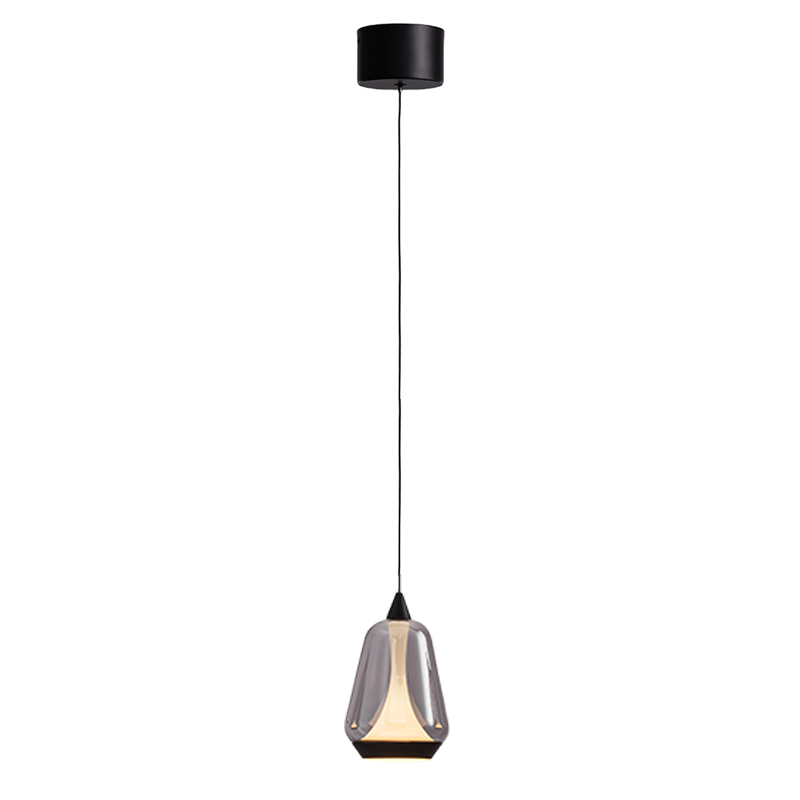
Here is the rub: we shop by price and finish, but rooms care about geometry and power electronics. The eye tracks arcs, not line items. We treat fixtures as objects rather than systems—funny how that works, right? So the question is simple, if a bit stubborn: how do we compare options so the result matches intent, not just the invoice? Let’s step into that gap, then move to what a custom path exposes.
Under the Surface: Why “Custom” Fixes Problems You Didn’t See
Where do specs and reality diverge?
A custom made chandelier sounds like a luxury, but it often solves practical misses. Stock pieces assume average ceiling heights and generic beam angles. Yet foyers vary, and stair voids shift sightlines. Technical fit matters. Think thermal management around tight clusters, not just pretty globes. Think stable power converters that don’t flicker under long dimming curves. When these parts are tuned to the volume of the space, you avoid hotspots and cave effects. Look, it’s simpler than you think: the fixture is a small system, and systems pay you back when they are balanced.
Traditional solutions hide pain points in the margins. CRI values look strong on paper, but poor optical diffusion creates glare that ruins the scene. A driver may claim compatibility, yet the dimming curves fight your control scenes at low levels. Low-voltage transformers hum when driver harmonics stack across circuits. Heat sinks undersized for enclosed cups cause color shift over time. And then comes maintenance—lamp access, IP rating for a drafty vestibule, cable stretch over a staircase. A tailored assembly can center the mass for easier hangs, re-spec the driver for longer runs, and shape the beam so the floor glows while the eye rests. In short, it trades guesswork for tuning—piece by piece.
Comparative Insight: New Principles That Change the Choice
What’s Next
Moving forward, selection is less about catalogs and more about control of inputs. New technology makes this tangible. Modular drivers let you swap outputs without rewiring. Small edge computing nodes near the canopy enable scene logic at the fixture, so latency drops and dimming smooths. Optical diffusion films now shape beams without robbing lumens. And material science improves heat sinks that keep LEDs stable over years. In that light, even classic forms like luxury foyer chandeliers benefit from hidden upgrades—thermal headroom, cleaner power, predictable glare index.
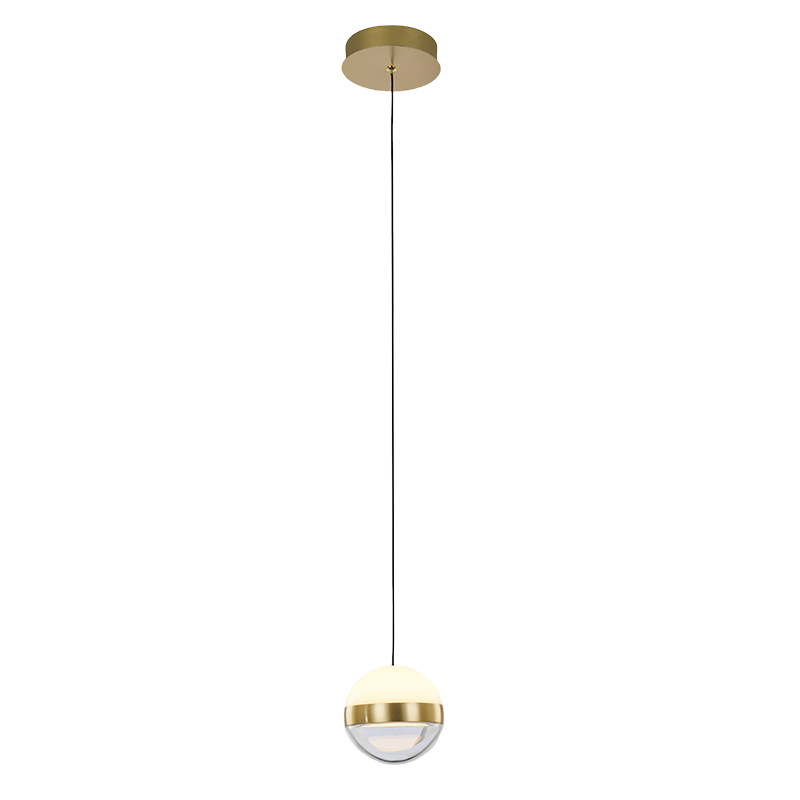
Here’s a quick comparison frame—semi-formal, but useful. First, test for coherence: does the design align canopy loads, cable geometry, and driver placement so the installation is sane? Second, test for stability: do the power converters, dimming curves, and driver harmonics play well across the full range, especially at 1–5%? Third, test for fidelity: do CRI values, optical diffusion, and beam spread keep faces true and surfaces calm? If a supplier can demo these with mockups or data, your risk falls. If not, expect drift—cost drift, schedule drift, and light that feels “almost right.”
Summing up, we learned that misfit starts in the compare phase, that a custom path reveals system-level fixes, and that new tech makes those fixes repeatable—and yes, this matters. For practical decisions, use three metrics: 1) Photometric fit to the room volume, not just total lumens; 2) Electrical integrity across drivers and controls, verified at low dim levels; 3) Service logic, from access to parts to long-run stability. Measure those, and style becomes the easy part. For steady hands and clear diagrams, you’ll find them at kinglong.