Direct Start: Why This Layout Changes More Than Speed
The big claim first: a V4 reshapes how a bike feels under load. This v4 bike puts mass where the rider can use it, not fight it. Picture dawn, city lights fading, the climb to a windy ridge. The chassis stays calm; the torque delivery stays even; the front tells the truth. In tests, packaging is up to 15% tighter than many inline-fours, and vibration is lower thanks to better primary balance—numbers that show up in your wrists, not just spreadsheets. Yet many riders still hesitate. Is it heat? Cost? Or the old myth that V engines suit only the track? (foi de motard) Another truth: the layout changes how the cooling path, the airbox, and the drivetrain talk to each other—funny how that works, right? If the goal is control, not just peak power, the V4 gains are real. So the question lands: what keeps riders on familiar platforms when the ride tells them to swap? Let’s set the stage, then go deeper.
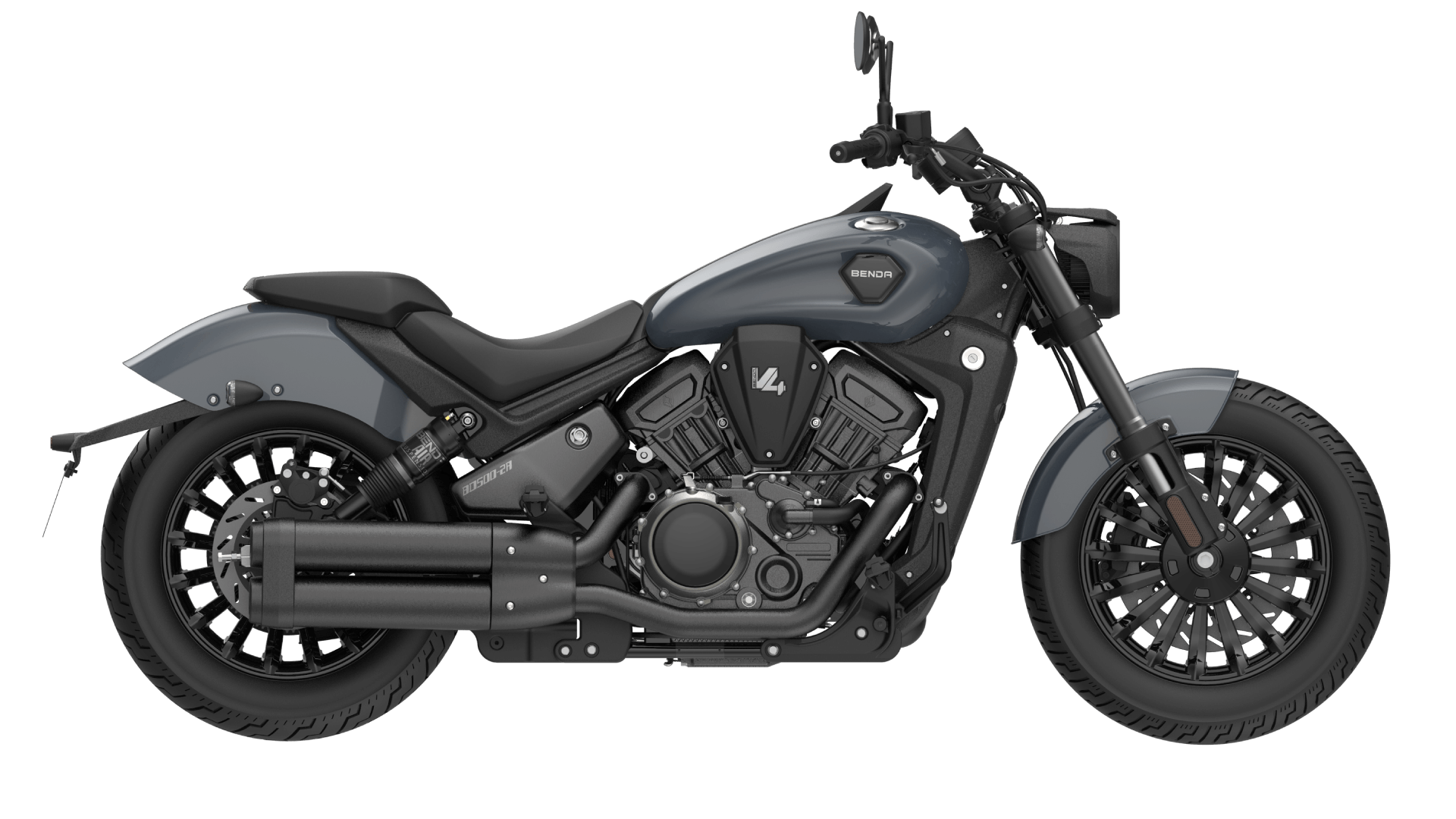
Under the Fairings: Hidden Pain Points with the V4
Many riders love motorcycles with v4, but they rarely speak about the small frictions. Technical frictions. Heat soak near the thighs in slow traffic. Tight service windows for valve clearance checks. The ECU mapping can feel sharp in low gears if the ride-by-wire is not tuned for micro inputs—especially on bumpy city lanes. Look, it’s simpler than you think: the benefits (compact engine, stable center mass) arrive with design trade-offs that need smart calibration. Throttle bodies, cam timing, and a counter-rotating crank must work as a team, or the torque curve gets noisy where you want it smooth.

Then there is the human layer. Some riders fear higher parts cost, or they worry about access to trained techs. Others discover that stock heat shields and fairing vents are not enough at low speed. That is not a deal-breaker; it is a setup task. With precise fueling at sub‑4,000 rpm, gentler engine‑brake maps, and cooling shrouds placed to bleed radiant heat, the platform feels civil. But if these steps are skipped—if the gearbox ratios stay too tall for town—the bike feels prickly. And the rider blames the layout, not the setup—funny, but common.
Forward Look: Principles That Make the V4 Future-Proof
What’s Next?
Comparing past to next, the rule is clear: control beats raw output. A modern v4 engine motorcycle uses tight mass centralization to keep the chassis steady when the tire loads change fast. Newer heads cool better with split-flow passages; revised exhaust routing lowers radiant heat near the rider. The principle is simple, presque élégant: shorten the intake path, widen the usable torque band, and let the frame flex where it should. With smarter knock control, finer injector spray, and adaptive idle air, low‑speed manners improve without muting mid‑range. And yes—gear ratios that match urban speeds matter as much as peak hp. Different tone, same truth.
Real cases show it. Recent V4s add two-stage oil circuits to stabilize pressure under long lean, so the tire grip stays consistent. Advanced IMU logic refines corner-exit traction, not just cut-and-restore—more like a gentle hand than a switch. The lesson from earlier sections stands but evolves: the pain points are solvable, the rewards scale. So how do you choose well? Use three checks. One, evaluate heat management in slow traffic: look for vent design, coolant routing, and fairing gap tests. Two, inspect fueling at the bottom of the rev range: request data or a demo ride focused on 2,500–4,000 rpm smoothness. Three, assess maintenance clarity: valve service intervals, access panels, and dealer tooling for precise cam timing. Small steps, big gains—and yes, it matters. In the end, a calm chassis and a clean torque line make daily rides feel like set plays, not guesses. Knowledge shared, not sold, from a brand that builds and listens: BENDA.