Introduction
Define the core, and the rest becomes calm. The amr controller is the quiet heart that ties sensing, compute, and motion together. Many teams bet on an industrial robotic amr controller to steady fleets when work surges at shift change. Picture a dawn rollout: pallets pile, network chatters, a single tuning error in the PID loop spreads like a cold wind. In some sites, 17% of stops trace back to controller handoffs and timing drift. Add noisy CAN bus lines, old power converters, and SLAM maps that stale under glare. The stack grows, yet control thins — funny how that works, right?
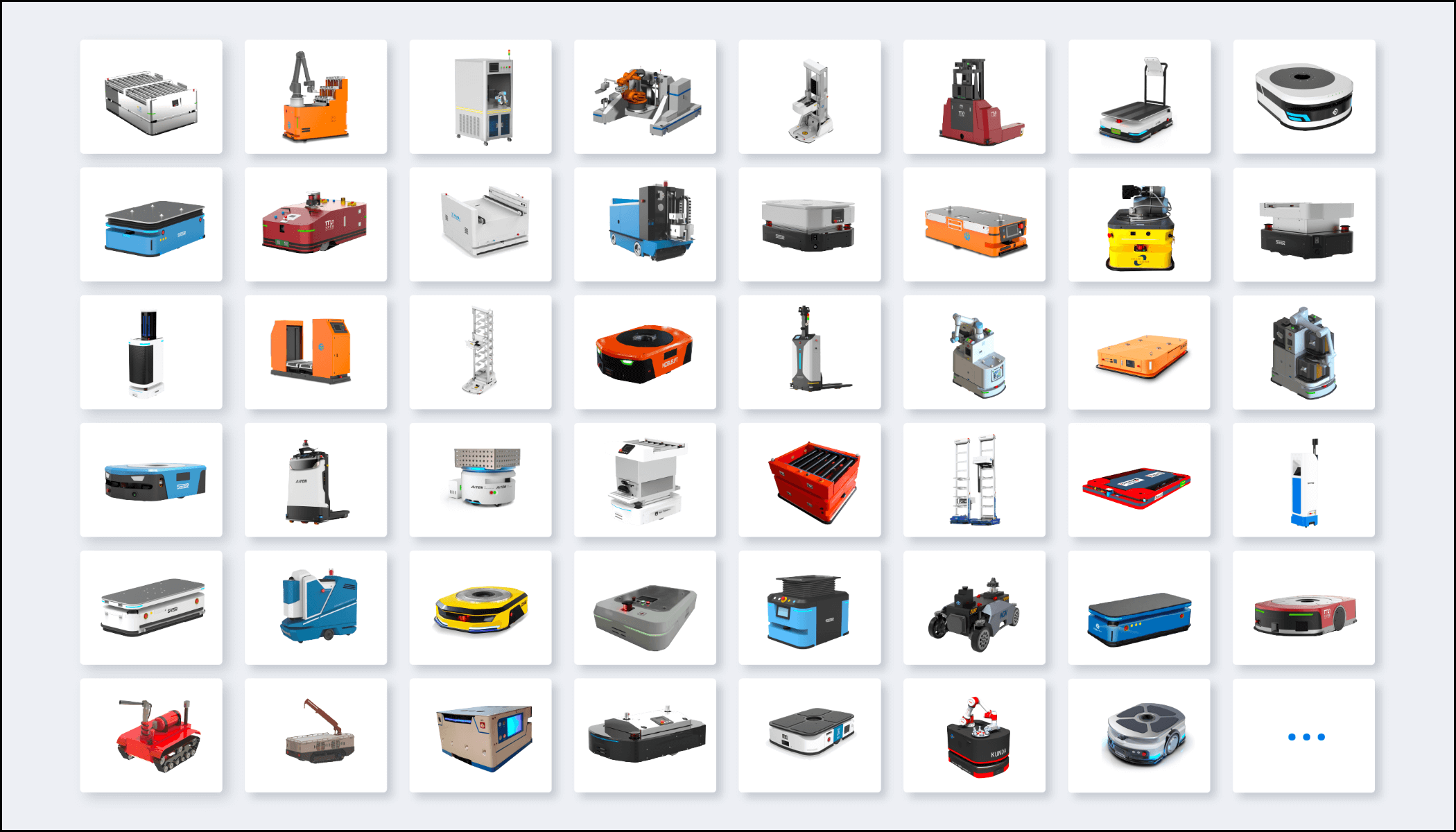
Look, it’s simpler than you think (and kinder to uptime). Traditional builds wire features on top of features. More dashboards, more middleware, more fallbacks. But each layer adds jitter. Edge computing nodes help, yet if time sync slips or safety hooks are bolted late, delays bloom at the worst second. So the deeper flaw is not missing tools. It is tight coupling, fragile timing, and updates that land like storms. The question follows: if complexity breeds failure, why do we still chase it? Let us open the box and look within—then step forward.
From Heavy Stacks to Lean Control: A Comparative View
What’s Next
This is where new principles show their worth. Old stacks bind perception, planning, and motion so hard that one change shakes all. The modern path splits duties by time. Fast loops stay near the motors. Slow loops move to safer layers. Time-sensitive networking keeps clocks honest. ROS 2 can talk across modules, but the real trick is predictable timing at the edge. When you choose an industrial robotic amr controller built for this split, you trade clever knobs for reliable cycles—go figure.
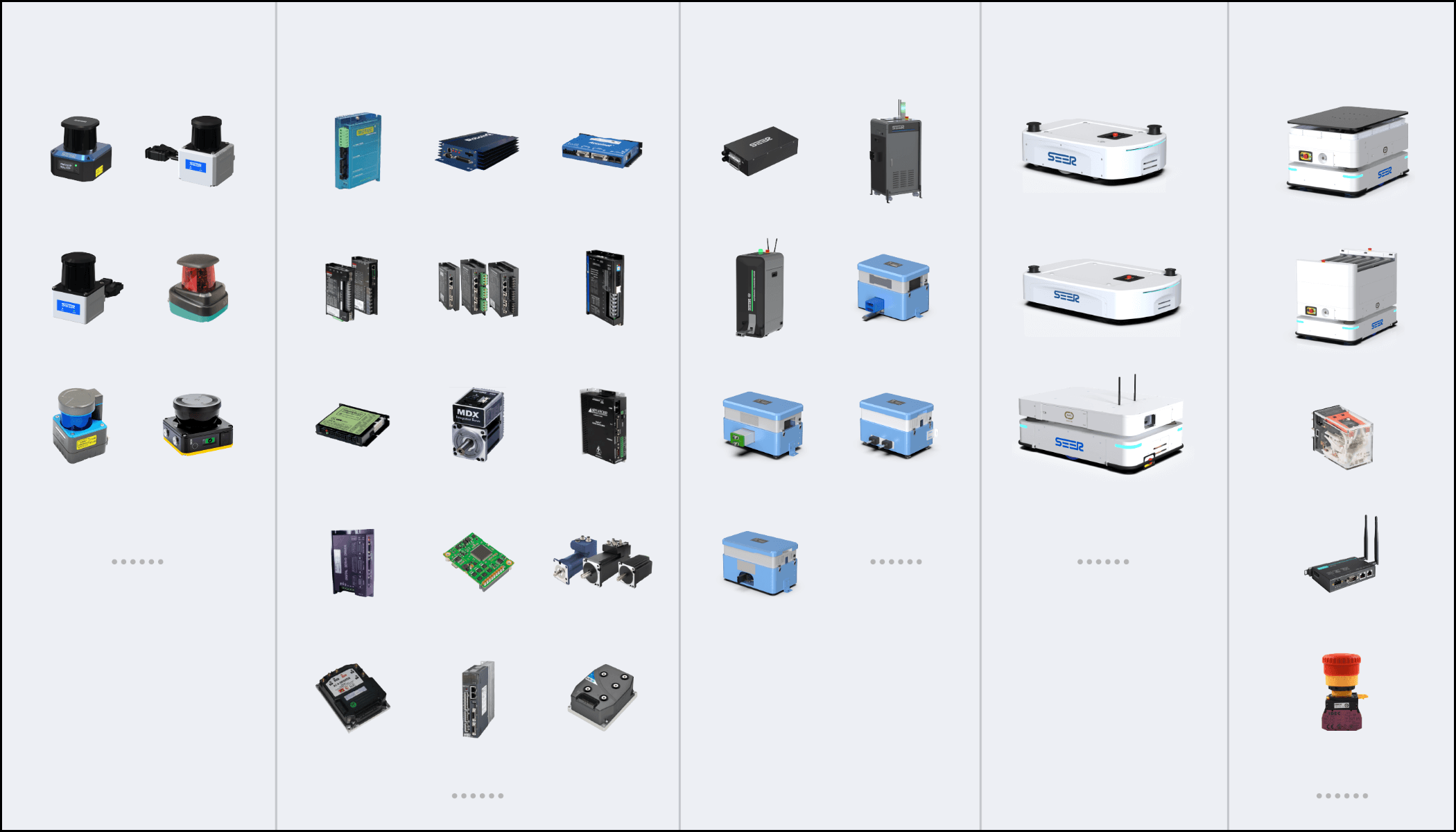
Compare two fleets. One uses a monolith with clever patches. Each new sensor adds latency. Every firmware push risks regressions. The other fleet runs a lean controller with guarded interfaces, clear fault domains, and small services that fail fast, not wide. SLAM refreshes do not shake motion. Safety I/O does not wait behind mapping. Diagnostics stream without choking compute. The lesson is quiet but strong: align control with physics first, then layer features with care. The gains can be stark—shorter stop distance, steadier paths, lower battery strain, and fewer midnight calls.
How to Choose Without the Noise
Now gather the main threads and weigh them with calm hands. First, measure latency budget under load, not in a lab. Can your loops keep 1–5 ms deadlines while sensors spike? Ask for scope traces and logs tied to TSN or an equivalent clock source. Second, check modularity in the real world. Do motion, safety, and perception isolate faults? Can a CAN bus dropout stay local while the rest runs? Third, verify lifecycle fit. Updates should be atomic, roll back cleanly, and not retrain your whole crew. Simple, yes, but the right simple. When an industrial robotic amr controller meets these marks, your system breathes easier, and your people do too. In the end, we build for humans who need steady work and quiet shifts, not for ornate charts. For more grounded insight, see SEER Robotics.