Introduction: The 9:02 a.m. Meeting That Finally Starts on Time
It’s 9:02 a.m., you’re juggling a latte, a slide deck, and a stubborn HDMI cable—classic Tuesday. Your team leans on hybrid meeting room solutions and modern hybrid meeting technology to bridge HQ, home offices, and a client two time zones away. With more than 70% of meetings including at least one remote participant these days, the stakes are high and the coffee is lukewarm (again). But here’s the twist: the biggest wins are not just “Can we hear you now?” They’re the small, compounding gains—less context switching, fewer re-explains, clearer decisions—that reduce meeting drag. So why do so many rooms still feel fragile—funny how that works, right?
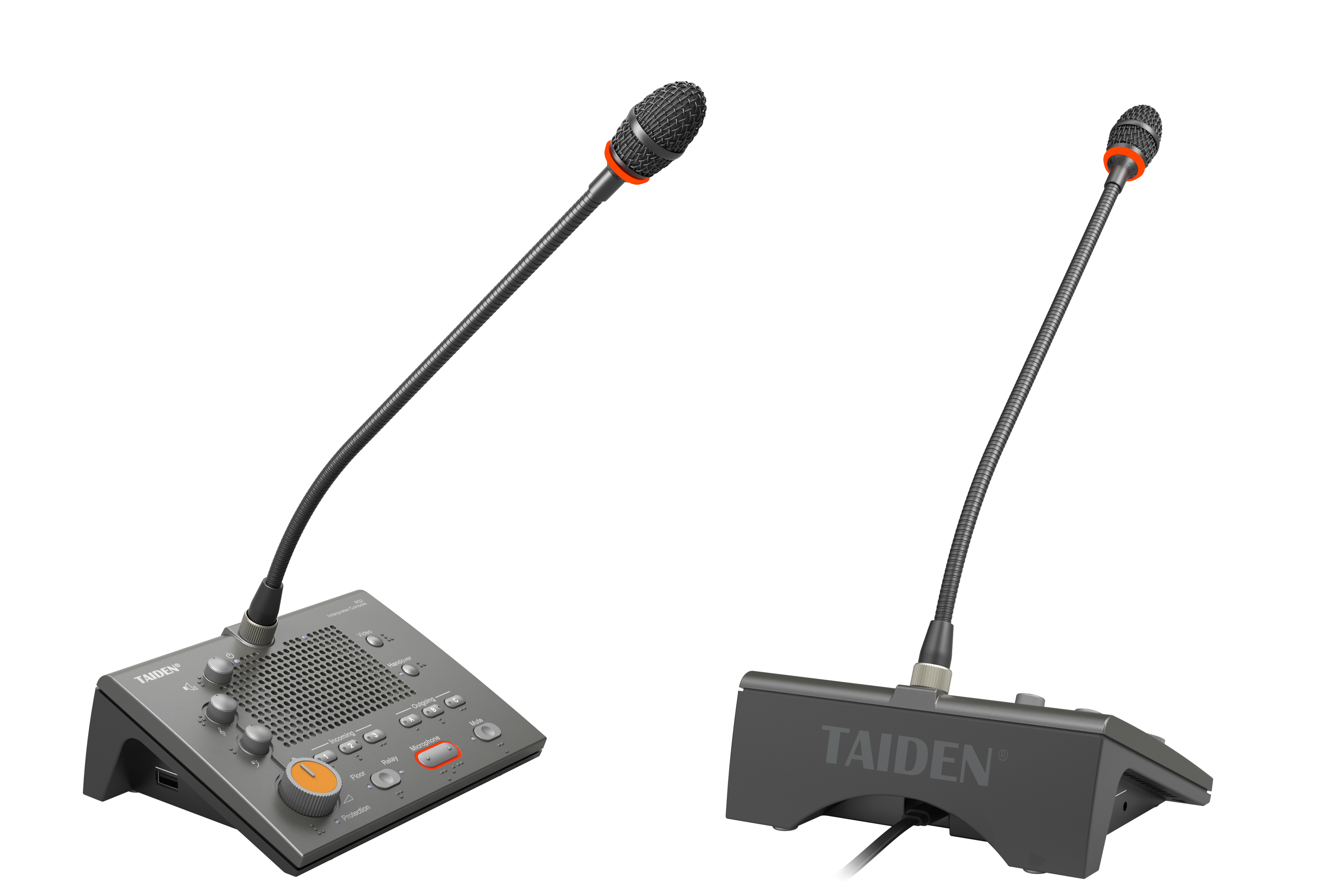
Bold take: the problem isn’t only bad Wi‑Fi or a moody projector. It’s lingering design assumptions from all‑in‑person rooms shoved into a hybrid world. If that sounds familiar, keep reading; we’re about to unpack the quiet frictions—and how teams outgrow them—so the next 9:02 a.m. starts actually on time.

The Hidden Frictions That Don’t Show Up on the Room Booking Screen
Where do the little pains hide?
Here’s the technical truth: hybrid rooms fail less from one big outage and more from a dozen micro‑frictions. Mics tune for the wrong voice profile. DSP settings drift between rooms. Codecs switch bitrates mid‑sentence. QoS rules treat screen share like a cat video. And because a lot of setups still chain legacy gear with ad‑hoc power converters and mismatched PoE switches, the signal path gets noisy, literally. The result is jitter, echo, and “Can you repeat that?” fatigue. That fatigue kills focus long before anyone notices a red alert.
Users also fight context. Remote folks miss side comments because beamforming mics chase the loudest voice, not the right one. In‑room people can’t see the chat when the display mirrors the wrong feed. And admins? They get five dashboards and zero root cause. Look, it’s simpler than you think: many “hybrid” rooms are still wired for a presenter, not for a network of equals. In 2025 terms, that means no edge computing nodes to handle real‑time noise suppression, shaky SIP trunking for dial‑ins, and brittle workflows with no API hooks to automate room states. The tech works; the assumptions don’t.
From Patchwork to Principles: Why the Next Wave Feels Different
What’s Next
Forward‑looking rooms flip the model. Instead of a single brain in a back closet, they distribute intelligence—at the table, in the ceiling, and on the network edge. New principles are simple: keep latency under a tight budget; push adaptive processing to where sound and video start; and treat control as software, not a remote. Modern stacks pair beamforming mics with room‑aware DSP, add edge AI for auto‑gain and dereverb, and use WebRTC with strict QoS so the screen share never starves the talk track. Encryption by default (AES‑256) and codec agility make handoffs smoother across BYOD and managed devices—no drama, just flow.
Comparatively, older MCU‑centric designs were reliable but rigid. The next layer uses a smart conference controller to orchestrate scenes, layouts, and handoffs between presenters—without a tech sprinting to the rack. It exposes clean APIs so IT can script room resets or auto‑diagnostics at 7:55 a.m.—and no, it’s not sci‑fi. Add network observability, and you can map failure to a port, not a person. Even power gets smarter: PoE++ trims dongles; safer power converters reduce hiss and heat; and redundancy becomes default, not a wishlist item. In short, less tinkering, more collaborating.
Choosing Wisely: Three Checks Before Your Next Room Upgrade
Let’s make it practical. First, performance: insist on an end‑to‑end latency budget under 150 ms round trip, stable jitter, and verified echo cancellation with room tuning (ask for beamforming and DSP test reports). Second, manageability: look for a programmable conference controller, open APIs, and unified analytics that trace faults to devices, not people. Third, resilience: confirm network QoS profiles for talk, share, and camera, plus failover paths, PoE power planning, and codec agility for mixed clients. The lesson so far? The best hybrid rooms reduce micro‑frictions you never log, and that’s where the unexpected benefits live—clearer decisions, calmer meetings, and fewer “Can you hear me?” loops. For teams that want that 9:02 a.m. to feel effortless, keep the principles tight and the assumptions modern. TAIDEN