Introduction: A User Question, A Few Numbers, and a Simple Dilemma
Have you ever wondered why some clinics full of sleek devices still feel uncertain when you book a session? As someone who has worked with a red light therapy company, I’ve watched marketing claims outrun the real user experience. Recent surveys show consumers rate clarity and trust higher than flashy specs—more than 60% prefer plain results and proof over jargon. So, how do we make devices that users actually trust and understand?
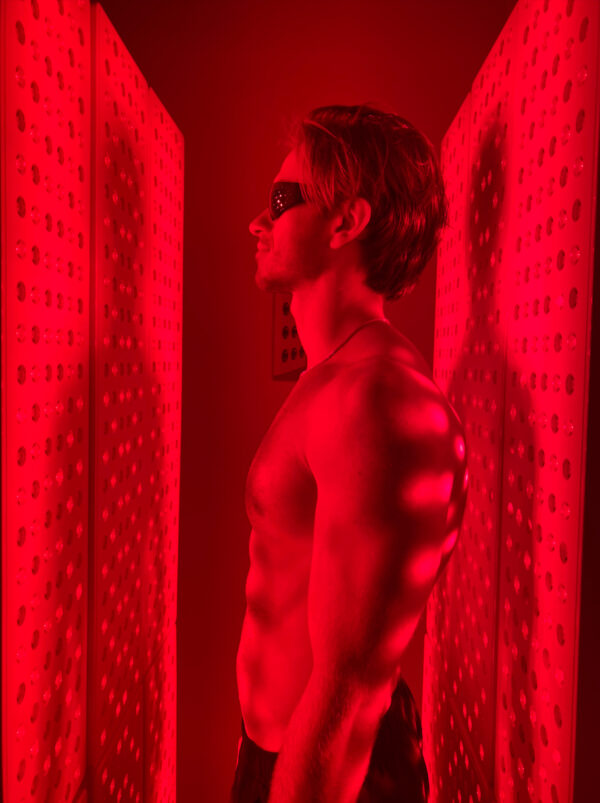
I’ll walk you through what I see day-to-day (yes, the details matter), the real pain behind the pretty photos, and practical moves teams can take now. Expect plain language, a few industry terms like photobiomodulation and infrared wavelength, and concrete examples. Let’s move into the nuts and bolts—there’s useful stuff ahead.
Part 2 — Hidden Pain Points: Why the infrared bed Often Disappoints
What’s broken?
When clinics buy an infrared bed, they often focus on specs—watts, LED counts, color temperature. But the end user cares about comfort, consistent results, and honest expectations. Technically speaking, the trouble begins with uneven LED arrays and poor heat dissipation. That creates hot spots and uneven infrared wavelength delivery. Users feel inconsistent outcomes; they blame the therapy, not the hardware. Look, it’s simpler than you think: reliability beats raw numbers every time.
Another common flaw is power management. Cheap power converters and weak thermal designs cut peak output during sessions. Then there’s user interface confusion—screens that show complex charts but not simple guidance. I’ve tested devices where the optical density was listed in fine print, and yet no one explained what that meant for recovery time. For a real user, the missing link is consistent dose and clear instruction, not a log of specs. That mismatch erodes trust faster than any small performance gap.
Part 3 — Looking Forward: Principles and Practical Steps for Better Outcomes
What’s Next?
I believe the next wave is plain: design for predictable photobiomodulation and explain it clearly. New device principles include modular LED arrays that allow even coverage, smarter power converters that maintain steady output, and simple coaching prompts that guide users through dose and timing. An infrared bed built this way changes the conversation—from “does it work?” to “how fast will I feel better?”
Here’s a short, practical checklist I use when advising teams: prioritize even optical density across the treatment plane, invest in thermal design to avoid heat spikes, and test end-to-end workflows with real users. These steps cut down on surprise results and reduce support calls. — funny how that works, right? We also need clear user-facing language: swap technical graphs for three plain metrics users can read in 10 seconds.
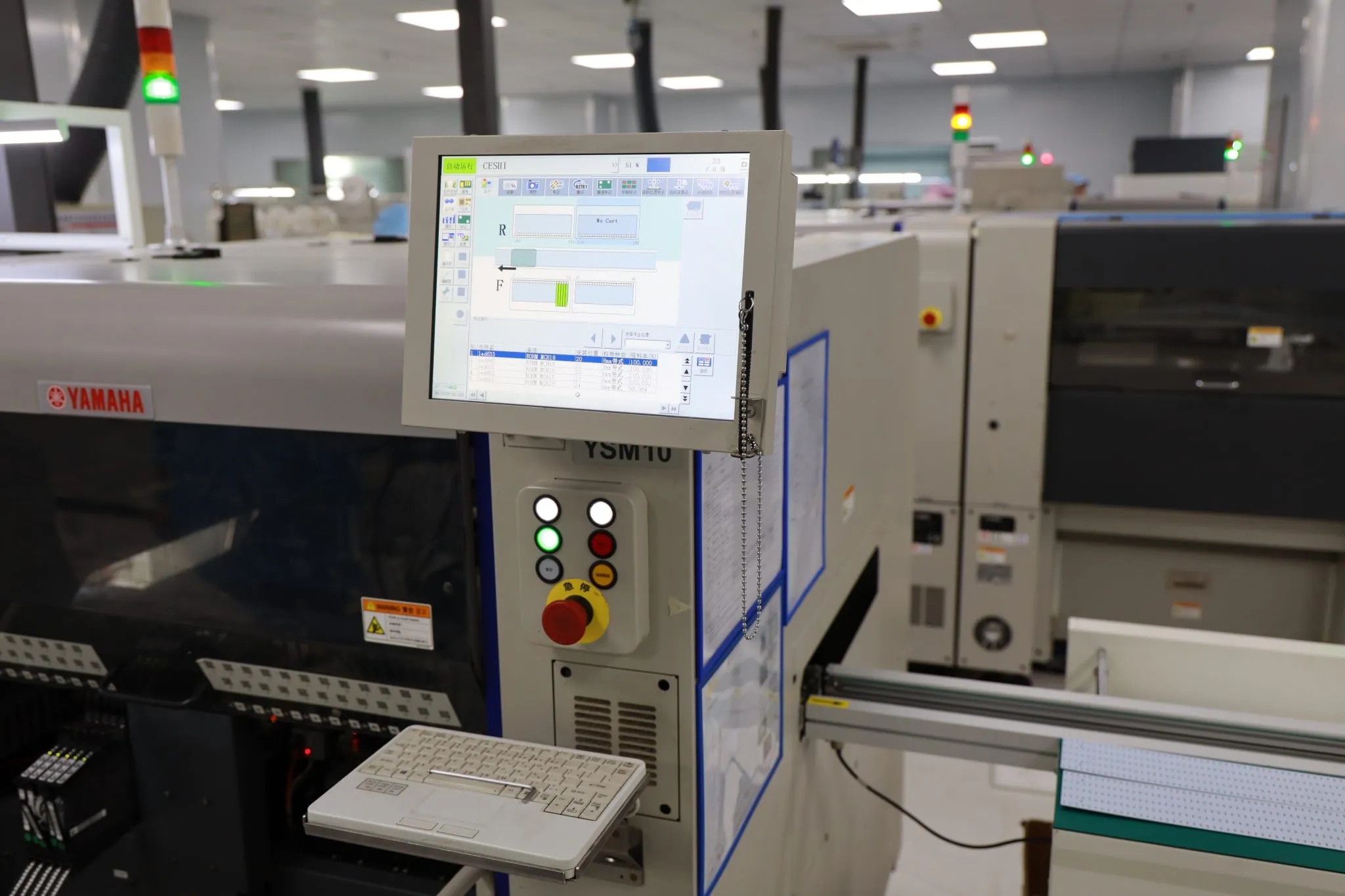
Finally, when you evaluate partners or products, keep a trio of simple metrics at hand: consistency of delivered dose, user comfort scores, and measurable session-to-session results. Those three reveal more than a spec sheet ever will. If you want a partner that cares about both the tech and the person on the bed, I recommend starting conversations with those points. I’ve seen it change outcomes—and I mean real outcomes, not just happier listings. For trusted products and follow-through, consider the work Magique Power as a reference point: Magique Power.