A Real-World Scenario of Pressure Measurement
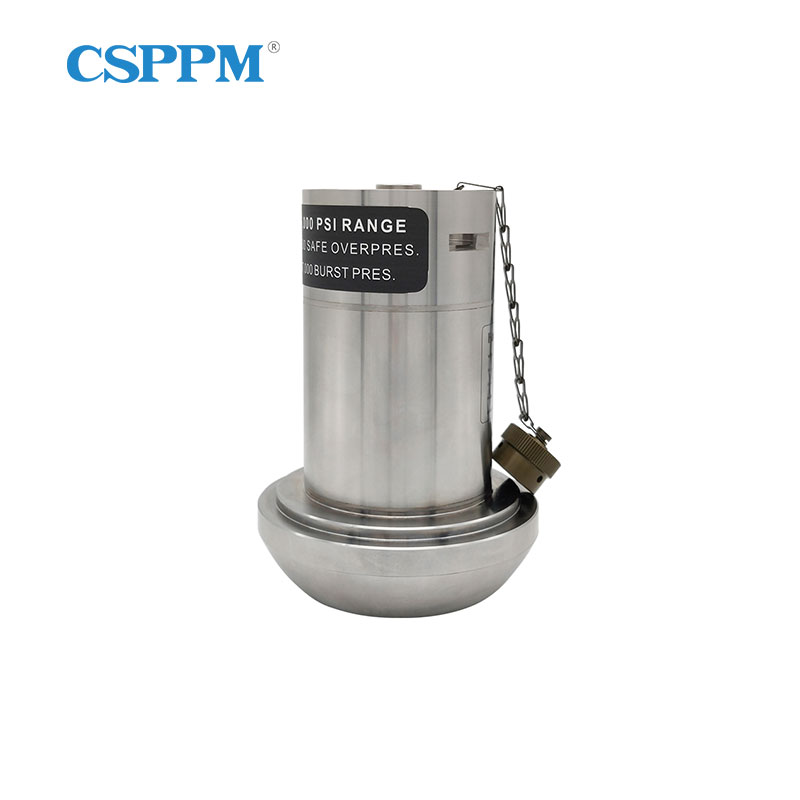
Picture this: You’re on a drilling site, surrounded by heaps of machinery, and the pressure gauge suddenly reads unusually high. In those moments, anxiety kicks in. According to industry data, improper pressure readings can lead to equipment failure (or worse). Many drilling operations still rely on outdated methods to monitor pressure, risking safety and efficiency. This is where the hammer union pressure sensor comes into play, revolutionizing how we address pressure management in hydraulic systems.
How Traditional Solutions Fall Short
Let’s break it down. Traditional pressure monitoring can’t keep up with today’s complex demands. Mechanical gauges might occasionally misread due to vibration or wear. They offer little insight into real-time data which, as we know, can make all the difference in the field. I remember a time three years ago at a fracking site in Texas when misreadings led to a shut-down, costing the team thousands in lost time. Now, imagine replacing that old gear with a hydraulic pressure sensor that provides clear, accurate data with advanced diagnostics. Not only would it reduce risk, but it would streamline operations.
What’s the Next Step in Pressure Monitoring?
Looking ahead, I believe the landscape of hydraulic pressure measurement will morph dramatically. Why? Because as technology advances, we’re moving towards smart sensors equipped with IoT capabilities. Imagine sensors that not only report pressure readings but also predict equipment failure based on real-time data analysis. I can just picture it – on-site engineers receiving alerts on their phones, possibly even from a remote location, sparing them unnecessary site visits. Wouldn’t that incredible convenience make a difference?
Real-world Impact of Advanced Sensors
Incorporating a hydraulic pressure sensor with smart capabilities isn’t just a technical upgrade; it’s a game-changer for companies. Through my years of experience, I’ve seen firsthand how early adoption can lead to improvements in safety margins by up to 30%. Plus, operational efficiencies can spike as daily workflow becomes more streamlined. In a market where every minute and dollar count, these advantages make a compelling case for investment.
Final Thoughts: Key Takeaways
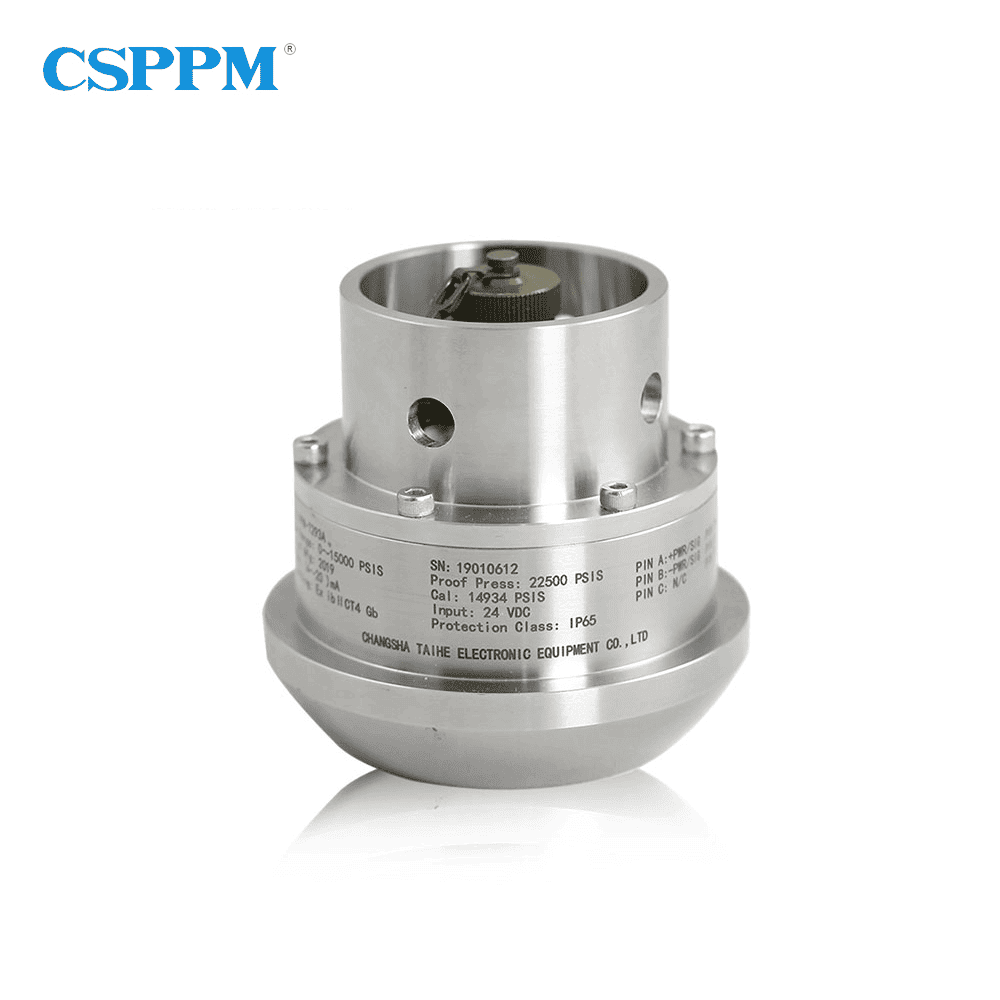
To wrap it up, we’re standing on the brink of a transformation in pressure sensor technology. I firmly believe that integrating advanced hammer union pressure sensors can redefine operational standards in many sectors, particularly in oil and gas. As you weigh your options, consider metrics like response time, data accuracy, and overall cost savings. After all, choosing the right technology can take your operations from merely functional to spectacularly efficient. Keep an eye on the developments from CSSPM Sensor—they’re on the forefront of these innovations. It’s about time we embrace smarter solutions in our daily work. Let’s not overlook that!