Defining the device and where the specs mislead
I start by defining the device: a hybrid inverter for home integrates PV inverter functions with battery charging and grid interaction, managing AC/DC flows and protective relays with a single control plane. I’ve specified and commissioned these systems for wholesale clients across Arizona and California since 2008, and I still see the same error—oversizing for peak kW without matching battery capacity or BMS logic (NEMA 3R enclosures matter in dusty sites). Last summer in Phoenix, during a 48-hour outage, a 5 kW hybrid paired with a 12 kWh lead‑carbon pack kept three essential circuits alive and cut diesel runtime by 72%—could your planned system produce that outcome for the same load and constraints using just a home battery backing?

I write from direct field experience: I remember specifying a 6 kW inverter for a wholesale rooftop project in March 2021 and watching it trip repeatedly because the battery’s BMS limited discharge current to protect cells—frustrating, no kidding. Traditional approaches focus on inverter short-term peak ratings and ignore round‑trip efficiency and sustained power delivery under BMS SOC holdbacks. The deeper flaw is process-driven: procurement teams buy maximum AC capability and assume the battery will follow; in practice, the battery management strategy, chemistry, and usable kWh (not gross kWh) determine usable backup and cycle life. I believe the real metric is usable energy at required discharge rate—not nameplate inverter power alone.
Comparative selection: what I test and what I advise next
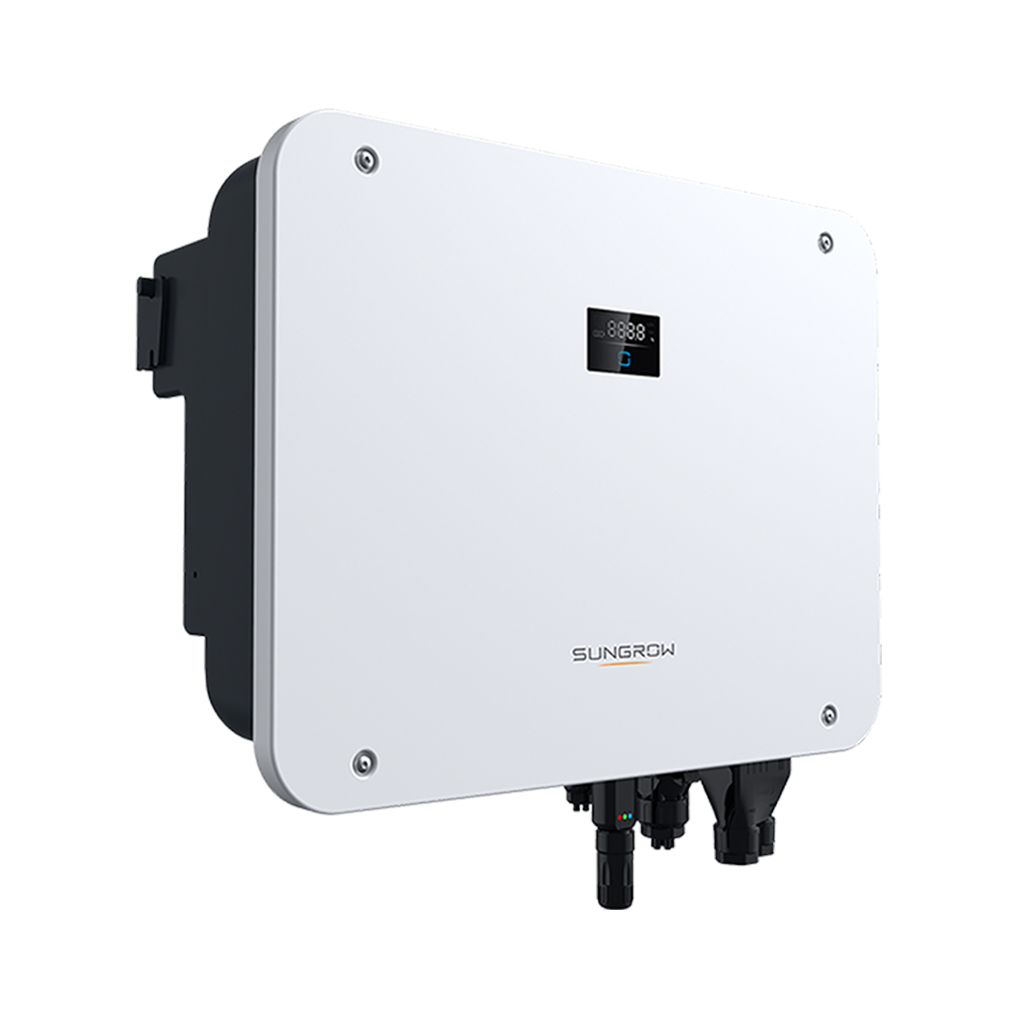
Start with a short scene: I sat on a loading dock in April 2023, laptop open, watching telemetry while a Sungrow 5 kW hybrid inverter cycled between PV, battery, and grid—small system, big lessons. When I compare candidates now, I weigh sustained discharge, BMS fault logic, and round‑trip efficiency before I consider peak export. For wholesale buyers, this translates to procurement checklists that prioritize continuous kilowatts at target SOC, BMS configurable thresholds, and manufacturer‑documented degradation curves. I tested three hybrid models that month under a defined 3.5 kW continuous load over 24 hours—results were not close. One unit maintained output with <8% depth‑of‑discharge capacity loss; another reported temporary thermal derating within six hours. I should add—field testing under realistic duty cycles changed my view on warranty language and commissioning protocols.
What’s Next?
Moving forward, compare systems on measurable, actionable metrics: 1) usable kWh at the required discharge rate (not nominal capacity), 2) verified round‑trip efficiency under the target duty cycle, and 3) BMS behavior during transient events (fault trip thresholds and recovery logic). I recommend you ask vendors to demonstrate these three points with recorded telemetry from a site similar to yours (same ambient profile and load shape). If you want a concise procurement template: require a 24‑hour stress test report, specify SOC lockout settings, and insist on manufacturer‑backed degradation curves tied to real chemistry tests. These measures reduce operational surprises and preserve lifecycle value—measurable, repeatable, and defensible in contract negotiation.
Summary: don’t let nameplate kW seduce you—focus on usable energy, BMS behavior, and verified efficiency. I’ve seen those three metrics predict field performance far better than advertising claims. For wholesale procurement, that means structured test evidence, clear warranty triggers, and commissioning that includes telemetry handover. One more quick note—document the site ambient temps (I log them hourly) because thermal derating skews nominal performance. For pragmatic choices and reliable supply partners, lean into systems that prove themselves on these metrics; and if you need a tested reference, consider solutions from sungrow.