The problem farmers actually notice
Most growers want something simple: cover the bed, keep heat and moisture where plants use them, and not spend the next season digging plastic out of the soil. Trouble is, lots of so‑called “biodegradable” films either vanish too fast, leave fragments, or change the greenhouse microclimate in ways nobody planned for. If you need a durable light-transmitting cover around a structure or tunnel, consider a proven option like uv resistant greenhouse plastic sheeting rather than guessing on a product that promises the moon.
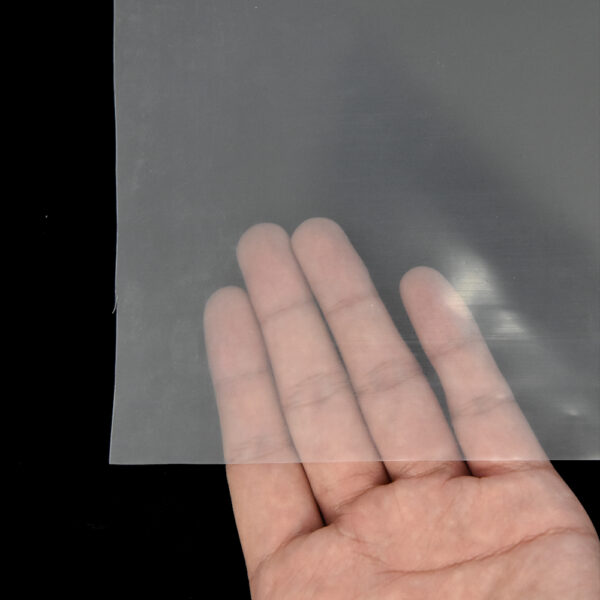
What causes the failure — and why it matters
Film failure isn’t mysterious. Wrong polymer choice, poor UV stabilization, and incompatible installation create uneven shading, moisture pockets, and thermal leaks. That ruins yields and ruins budgets. When a film degrades in chunks, it clogs soil and makes subsequent planting harder. When it lasts too long, residue builds up. Both outcomes cost time and money, and farms don’t have spare seasons to waste.
Real-world grounding and practical authority
Look at the Netherlands’ greenhouse sector — it’s the go-to benchmark for controlled-environment horticulture worldwide — and you see suppliers testing clear, durable covers under intense use. That kind of industry scrutiny is why technical specs for greenhouse clear film are more than marketing copy; they reflect field metrics growers expect. My work editing agricultural product guides and reviewing supplier test data has shown that matching expected lifetime, UV resistance, and permeability to the cropping plan prevents the vast majority of surprises.
Common mistakes that trip people up
Overbuying longevity. Underestimating UV exposure. Treating “biodegradable” as a single category — it isn’t. Installers that don’t tension film correctly create wind flap wear. Choosing a film because it’s cheap upfront without checking tensile strength and permeability leads to early replacement and higher lifetime cost. Don’t pick materials by name alone; pick them by spec and by what you actually need to protect.
How to evaluate options — short checklist
Decide expected service life (weeks, months, seasons). Match UV stabilization to your latitude and roof angle. Check tear resistance, light transmission, and water permeability. For short-season, low-cost covers, some certified biodegradable mulch films can be fine. For season-spanning greenhouse or tunnel covers, co-extruded polyethylene or properly UV-stabilized clear film performs predictably. Consider lifecycle: removal labor, disposal rules, and whether fragments harm downstream operations.
Alternatives worth comparing
Biodegradable mulches: good for single-season bed covers where certified biodegradation is verified. Standard polyethylene: cheapest per roll, needs removal and recycling planning. Co-extruded clear films: balanced strength and light transmission for multi-season use. If your project needs clarity and longevity inside a controlled structure, leaning toward a proven greenhouse sheeting makes sense — it’s about preventing surprises as much as saving money.
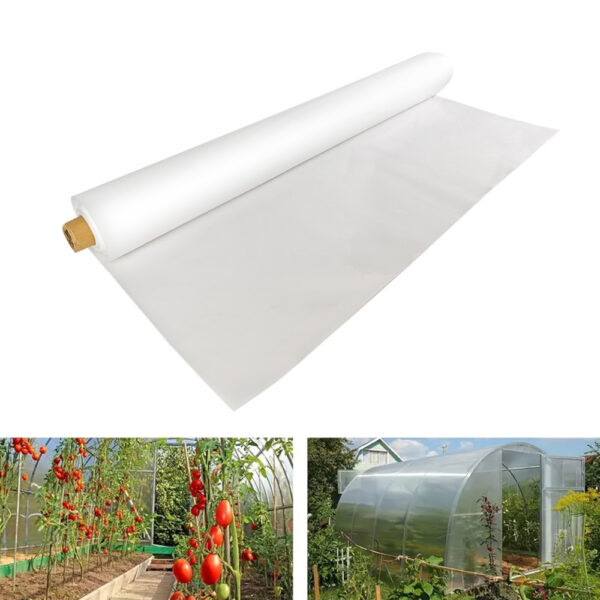
The bottom line
Fix the problem by choosing film that matches the job: short-term beds get different chemistry than year-long greenhouse roofs. Know the specs, avoid sloppy installs, and plan for removal or degradation up front. That practical approach is precisely what reliable suppliers deliver, and it’s why growers working with experienced partners get results that hold season after season with HGDN.