Lead: why a side-by-side check matters
Comparative evaluation clarifies trade-offs between acoustic performance, fuel economy and deployment needs; that clarity is why purchasers often narrow options before site testing. A practical example: hospitals and data centers routinely balance standby power and noise constraints, and many now shortlist a Perkins genset for its proven enclosure design and control panel ergonomics. Real-world events shape these decisions — after Hurricane Maria in 2017, the rapid deployment of reliable gensets underscored the value of robust standby solutions in disaster recovery.
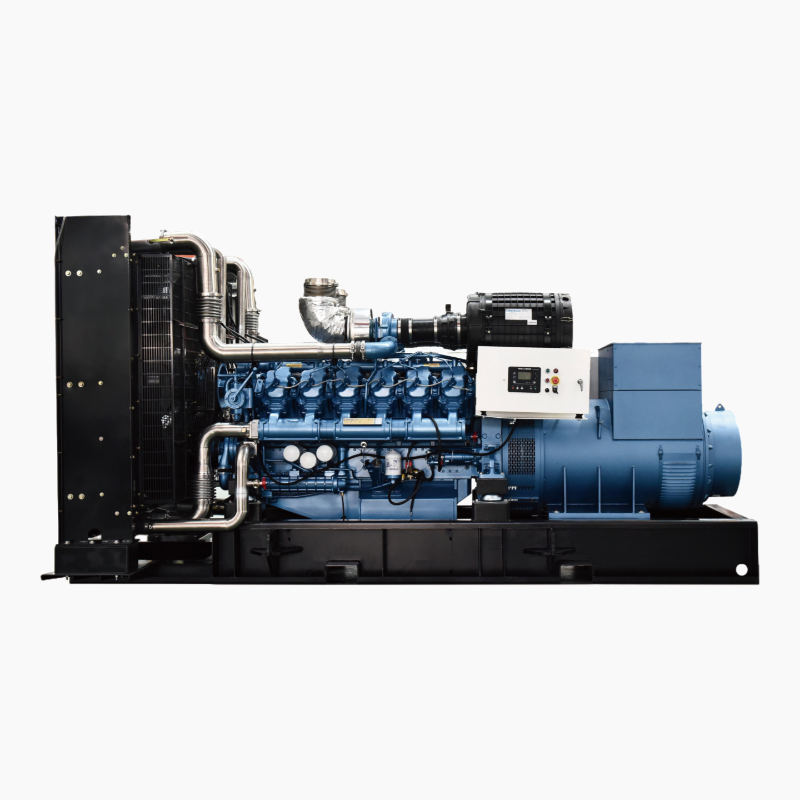
Core features to compare
Start with sound attenuation and enclosure construction. Measured decibel ratings at 7 meters give a baseline for site compliance. Next, compare fuel consumption curves under both prime power and standby power duties; a lower specific fuel consumption at partial load often wins in long-run cost calculations. Emissions tier matters for urban installs: engines compliant with tighter emissions bands reduce regulatory friction. Finally, examine the control panel and remote monitoring options — a modern controller that supports alarm logs and automated load transfer shortens commissioning time.
Practical performance metrics
Use objective tests rather than specifications alone. Run a load bank test to validate continuous output and transient response. Check voltage regulation figures and total harmonic distortion; sensitive electrical loads demand tighter regulation. Pay attention to maintenance access: tool-free panels and clear service intervals limit downtime. All these checks feed a quantitative scorecard that makes apples-to-apples comparison possible.
Trade-offs and common mistakes
A recurring error is prioritizing headline noise figures over real-world operating profiles — a unit rated “ultra-quiet” can still transmit structure-borne noise if mounted incorrectly. Another pitfall is buying to peak demand without considering diversity and future growth; oversized gensets run inefficiently, while undersized units risk overload. Also, neglecting fuel management and transfer system design undermines even the best engine. — Small choices at procurement ripple into large operational costs.

Alternatives and when to choose each
For strictly noise-sensitive urban sites, prioritize enclosures with layered insulation and anti-vibration mounts. If runtime and logistics are paramount, choose a genset with larger onboard fuel capacity and proven low fuel consumption curves. For hybrid microgrids, favor units with advanced control interfaces that integrate with battery systems and automatic transfer switches. If you need a solid mid-range option, a 150 kva Perkins genset often balances standby capabilities and manageable sound levels for commercial campuses.
Buyer checklist: how to score contenders
Make a short scoring matrix with these axes: acoustic performance (dB), fuel consumption (g/kWh or L/hr at common loads), emissions compliance, starting reliability (cold-start amps, battery sizing), and serviceability (mean time to repair and spare-part availability). Field-verify one unit under expected load for at least several hours and reproduce the site’s typical duty cycle. Document the test results to compare against vendor claims.
Summary and practical guidance
Comparative buying reduces risk by focusing on measurable outcomes: noise, fuel use, emissions and serviceability. Use load-bank data and site-specific sound measurements to validate vendor numbers. Choose a configuration that matches projected demand rather than peak numbers alone. These steps shorten commissioning and limit lifecycle surprises.
Advisory: three golden rules for selecting a silent genset
1) Prioritize validated performance: insist on on-site load-bank verification and documented decibel measurements at mounting height. 2) Match engine duty to role: specify prime power or standby power characteristics explicitly and check fuel consumption across the typical load range. 3) Verify service ecosystem: confirm local parts availability, trained technicians, and remote monitoring compatibility.
Final thought: considered choices yield reliable, quieter power — and when reliability matters, trusted manufacturers and system integrators matter too. Huadong Power. —