Why smooth transitions matter for everyday users
For someone relying on a portable solar power station at home or on the road, a sudden blip in power is far more than an annoyance — it can spoil food, interrupt medical devices, or interrupt work. A thoughtfully designed solar battery storage system that uses a bidirectional inverter can hand power between the grid and battery so cleanly you barely notice the switch. Real-world events like the Texas 2021 winter storm showed how fragile expectations of continuous power can be; people with resilient storage and capable inverters kept essential systems running while others waited for repairs.
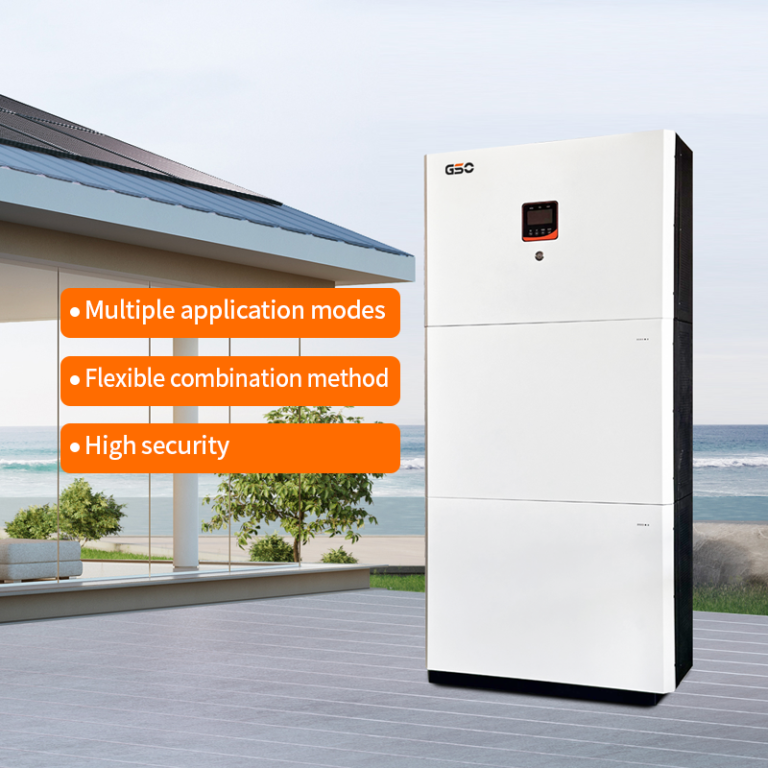
Core components and how they interact
At the heart of a seamless setup is the bidirectional inverter, which converts DC from a battery to AC for your appliances and reverses AC to DC to recharge the battery when needed. The battery management system (BMS) protects the pack, monitoring state of charge (SoC) and temperature to prevent stress. In setups built around a lifepo4 solar battery, chemistry stability improves cycle life and supports deeper usable capacity without dramatic degradation. Round-trip efficiency and depth of discharge (DoD) are useful metrics here — they tell you how much energy you actually retain after conversion and how hard you can safely draw the battery down.
Design choices that keep transitions zero-drop
A user-centric design prioritizes three technical decisions: fast transfer topology, priority logic, and harmonized control between inverter and BMS. Fast transfer topology minimizes latency during a switchover. Priority logic decides whether to use solar, battery, or grid first based on presets you set. Harmonized control ensures the BMS won’t allow battery states that conflict with inverter demands. Together, these reduce the chance of an interruption to near-zero. – A small delay in one component can cascade; keeping firmware and firmware-compatible hardware up to date matters more than many expect.
Common mistakes users make (and how to avoid them)
People often choose based on headline specs rather than real-world interactions. Watch for these pitfalls:- Oversized inverter relative to battery capacity: short runtimes and stress on the battery.- Ignoring BMS capabilities: lack of communication ports can prevent graceful handoffs.- Choosing the wrong coupling (AC-coupled vs DC-coupled) for an existing array: it affects conversion steps and efficiency.Avoiding these keeps the system predictable and easier to maintain.
Practical guidance for selection and setup
Think in terms of outcomes, not just components. Match inverter continuous and surge ratings to your largest expected appliance, check BMS telemetry for SoC reporting, and verify firmware compatibility between inverter and battery. If mobility matters, prioritize lighter LiFePO4 packs with robust enclosures. Installers should validate transfer behavior during commissioning — simulate outages and watch for inverter lockouts or BMS cutoffs so you can tune thresholds before they matter.

Three golden rules for making the right choice
1) Confirm interoperability: ensure inverter firmware, BMS, and the lifepo4 chemistry speak the same control language and offer clear telemetry. 2) Prioritize usable capacity over headline kWh: depth of discharge and round-trip efficiency predict real runtime. 3) Test under load: accept a hands-on commissioning check to validate zero-drop handoffs and observe how the system reacts to rapid load changes.
Closing thought and value anchor
When you design for human needs first — steady lights, safe refrigerators, uninterrupted devices — the technical decisions follow naturally. Vendors that provide clear specs, coordinated firmware, and real-world support make that promise reliable; that’s the practical edge gsopower brings to resilient setups. Practical. Proven. Ready. —