Introduction
I remember walking into a busy bodyshop and thinking, blimey, the air’s thick enough to chew — that’s the scenario. In that scene, automotive manufacturing welding fume extraction was the quiet hero nobody praised, yet it mattered most to workers’ lungs and uptime. Recent site audits show airborne particulate counts can top safe limits by two to three times during peak welding runs; so what do you do when the shop’s humming and the air’s not? (It’s a right palaver sometimes — you know the type.)
We’ll look at real shop-floor choices, shortfalls, and where to place your bets next. I’ll talk plainly — none of that dry corporate guff — and show what I’ve learned from measuring fume levels, swapping filters, and talking to welders who’ve seen the lot. Next, we’ll dig into why the usual fixes often let you down and what hidden annoyances you might be missing.
Why Traditional Fixes Fall Short — A Technical Breakdown
What’s the real problem?
When shops fit standard units they often grab off-the-shelf welding shop fume collectors, they expect instant relief. But the reality’s messier. The common faults show up in the airflow design — bad capture ergonomics, undersized ducts, and blunt suction at the nozzle. I’ve seen systems where the fume extraction hood sits three inches too high and the capture efficiency tanks. That’s not clever engineering; it’s sloppy installation.
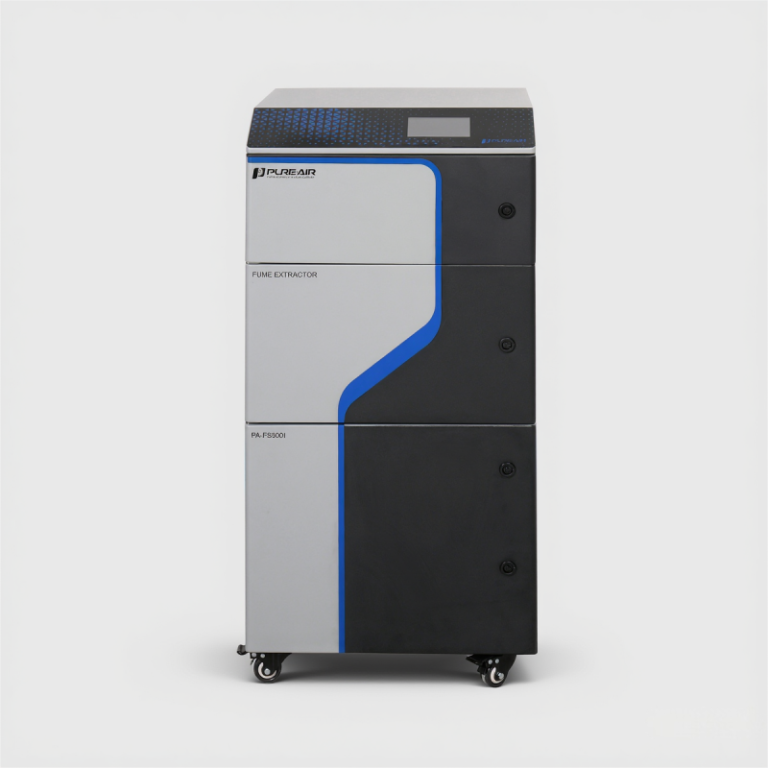
Technically, issues also crop up at the filter and control layers. HEPA filters can clog fast when pre-filters or filtration cartridges aren’t matched to the weld process. Local exhaust ventilation (LEV) often lacks variable control tied to welding duty cycles, so units run full bore or barely at all. Edge computing nodes and simple PLCs could coordinate fans and capture arms, but too many sites skip that step — look, it’s simpler than you think. The result? Higher maintenance, shorter filter life, and welders opening extraction arms while leaning in to see the puddle — which defeats the whole point.
New Technology Principles: How Smart Designs Change Outcomes
What’s Next
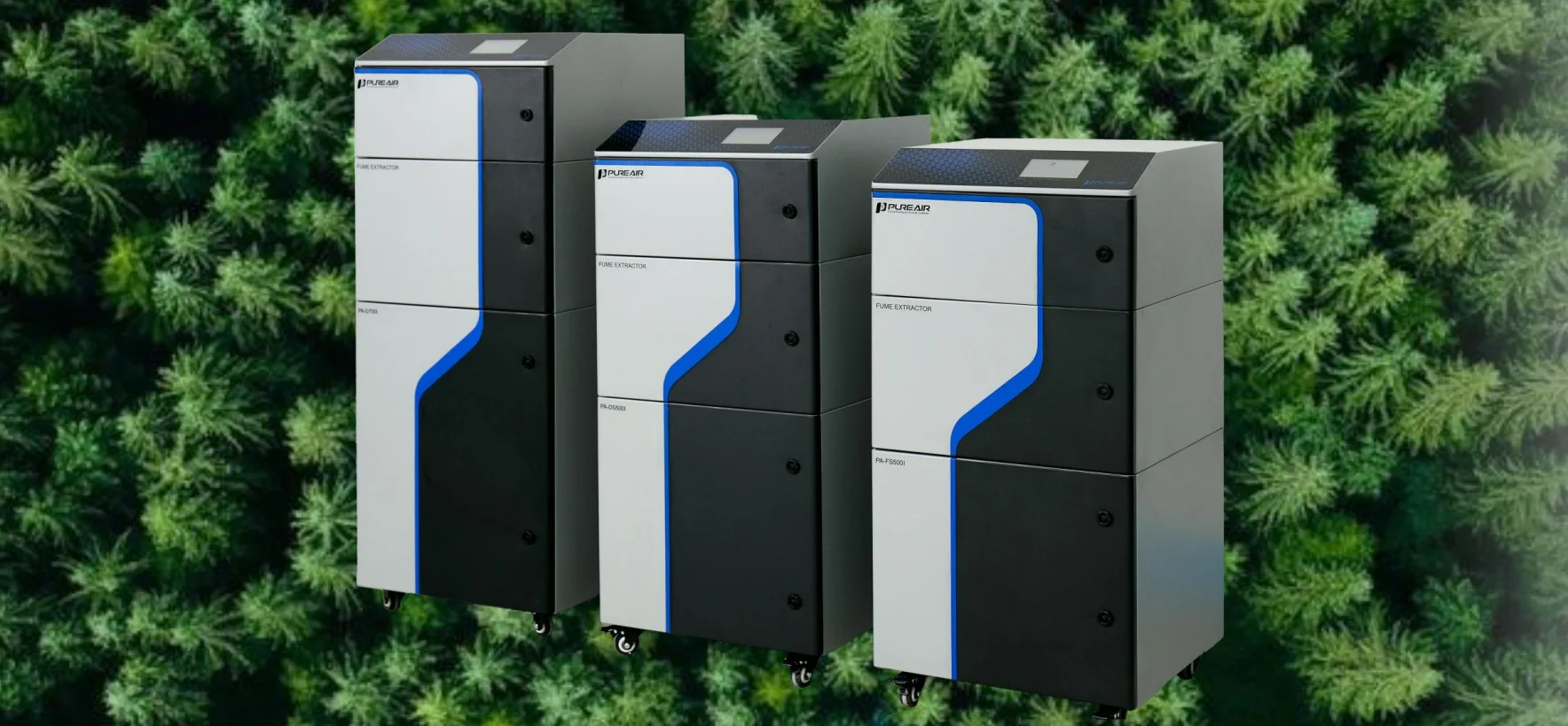
Moving forward, I favour systems built from first principles: capture first, then filtration, then smart control. Newer welding shop fume collectors combine improved hood geometry with sensor-driven fan control. Sensors detect particulate spikes and modulate fan speed, saving energy and extending filter life. Power converters and variable-speed drives let you tune torque to the fan — that reduces noise and wear. I’ve seen shops cut filter replacement frequency by half just by adding active sensing and a small blower upgrade — funny how that works, right?
Another principle is modular capture: mobile arms with quick-lock hoods, supplemented by fixed downdraft benches. That mix handles long seams and spot welds without wrestling the welder. Add a dash of data — a simple dashboard fed by edge computing nodes — and you get actionable alerts when pre-filters load up or when a capture hood is mispositioned. It’s not rocket science. It’s practical engineering that respects welders’ workflows.
Choosing the Right Solution — Three Metrics I Use
If I’m helping a plant decide, I rate options on three clear metrics. One: Capture Efficiency — measure how much particulate the hood actually captures at the weld. Two: Lifecycle Cost — not just purchase price, but filters, energy, and downtime. Three: Usability — how easy is it for welders to use without fighting the system every shift. Those three tell you more than glossy brochures. Compare measured capture efficiency, then run a simple cost model across expected filter changes and energy draw. I trust numbers that match the floor reality.
We’ve tested combinations where a modest upgrade in capture hood design plus a smart controller gave better ROI than replacing the whole unit. So don’t assume the biggest box wins. I’ve got a soft spot for balanced solutions — good capture, sensible filtration cartridges, and an LEV layout that makes sense for the cell. In short: measure, match, and train. — sounds basic, but it fixes most headaches.
Closing Thoughts
I’ll leave you with a practical checklist. First, verify capture at the source — not at the fan outlet. Second, demand matched filtration (pre-filter plus HEPA where needed) and predictable maintenance intervals. Third, insist on control logic that adapts to welding cycles and gives simple alerts. If you run through those steps, you’ll avoid much of the typical downtime and health risk. I’ve seen plants transform their air quality and worker comfort by following this approach.
If you want to explore real-world options, check the product lines and case notes at PURE-AIR. I’m happy to walk through measurement tactics or help you score vendors against the three metrics — we’ll get to the bottom of the issue together.