Understanding the Autosteer Challenge
Imagine cruising through a vast field on a sunny day with enormous tractors at your command. You’ve got your loyal machinery lined up, but there’s one nagging issue: navigating straight rows without human error. Studies show that over 70% of farmers face difficulties maintaining precision, especially during planting season. Enter the world of autosteer for tractors, where technology meets tractor navigation. Are these systems truly solving the issue, or are there hidden pitfalls lurking beneath the surface?
The Hidden Costs and Pain Points
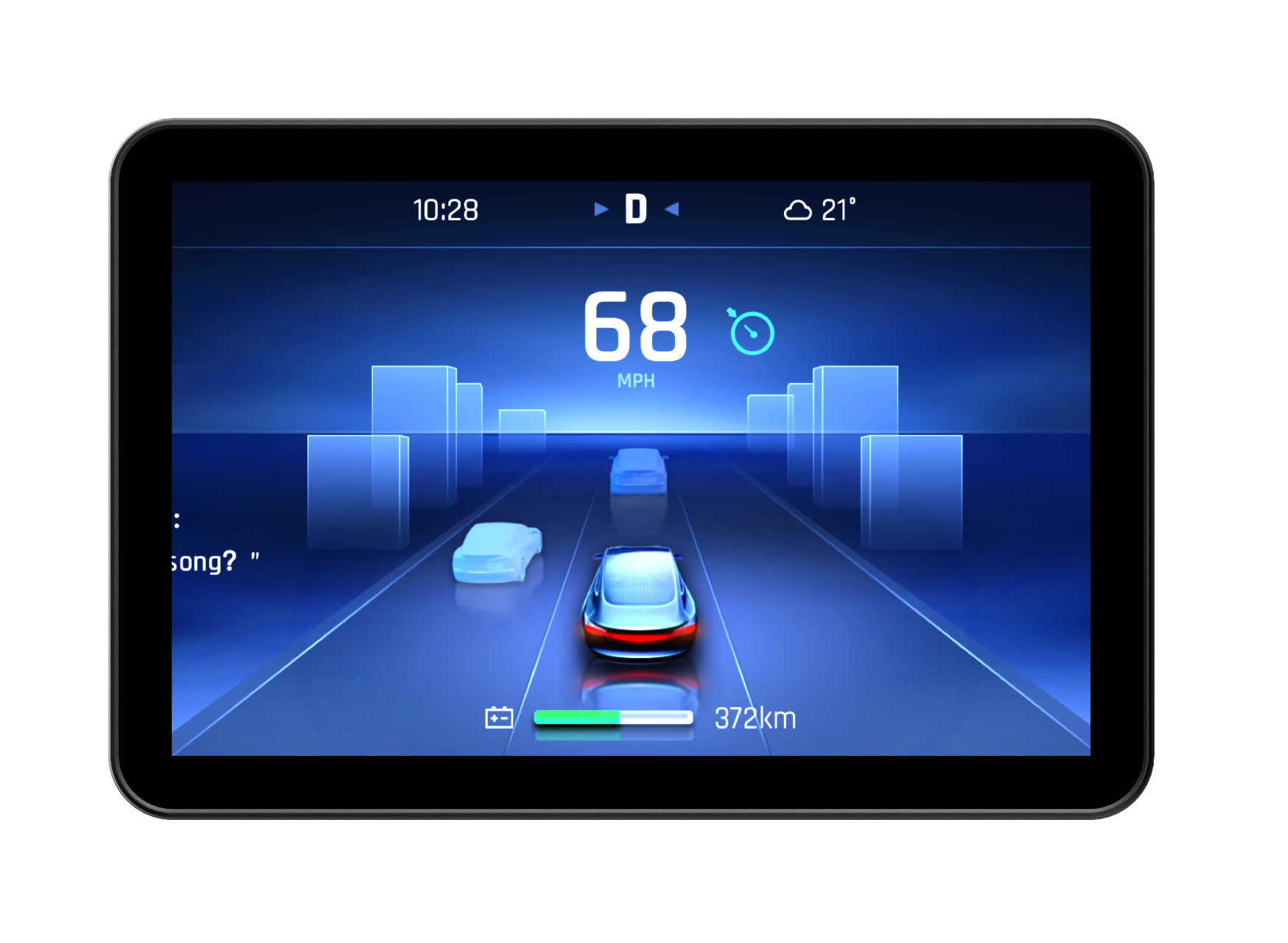
As I’ve seen in my 15 years working in agricultural technology, traditional steering methods often lead to overlapping passes and wasted resources. This inefficiency can mean thousands lost over a season. Customers frequently tell me their frustration with manual steering, especially after a long day in the field—it can be downright exhausting. Autosteer technology is meant to enhance operational efficiency and accuracy. However, it’s sometimes hampered by installation problems, software glitches, or not-so-friendly user interfaces. The premise of saving time quickly fades when you’re stuck recalibrating or troubleshooting. It’s a classic case of expectations vs. reality.
What Makes Autosteer Different?
Have you ever wondered what differentiates a reliable autosteer system from standard manual steering? The answer lies in the technology’s fine-tuned sensors and GPS integration. With autosteer for tractors, you gain not just straight lines but consistent speed and improved fuel efficiency. I’ve noticed that customers who adopt this technology see an average of 15% fuel savings and a significant bump in overall harvest yields. Better navigation means fewer passes across the same area, sparing both time and resources. In a world where every cent counts, investing in precision is more crucial than ever.
Forward-Looking Solutions
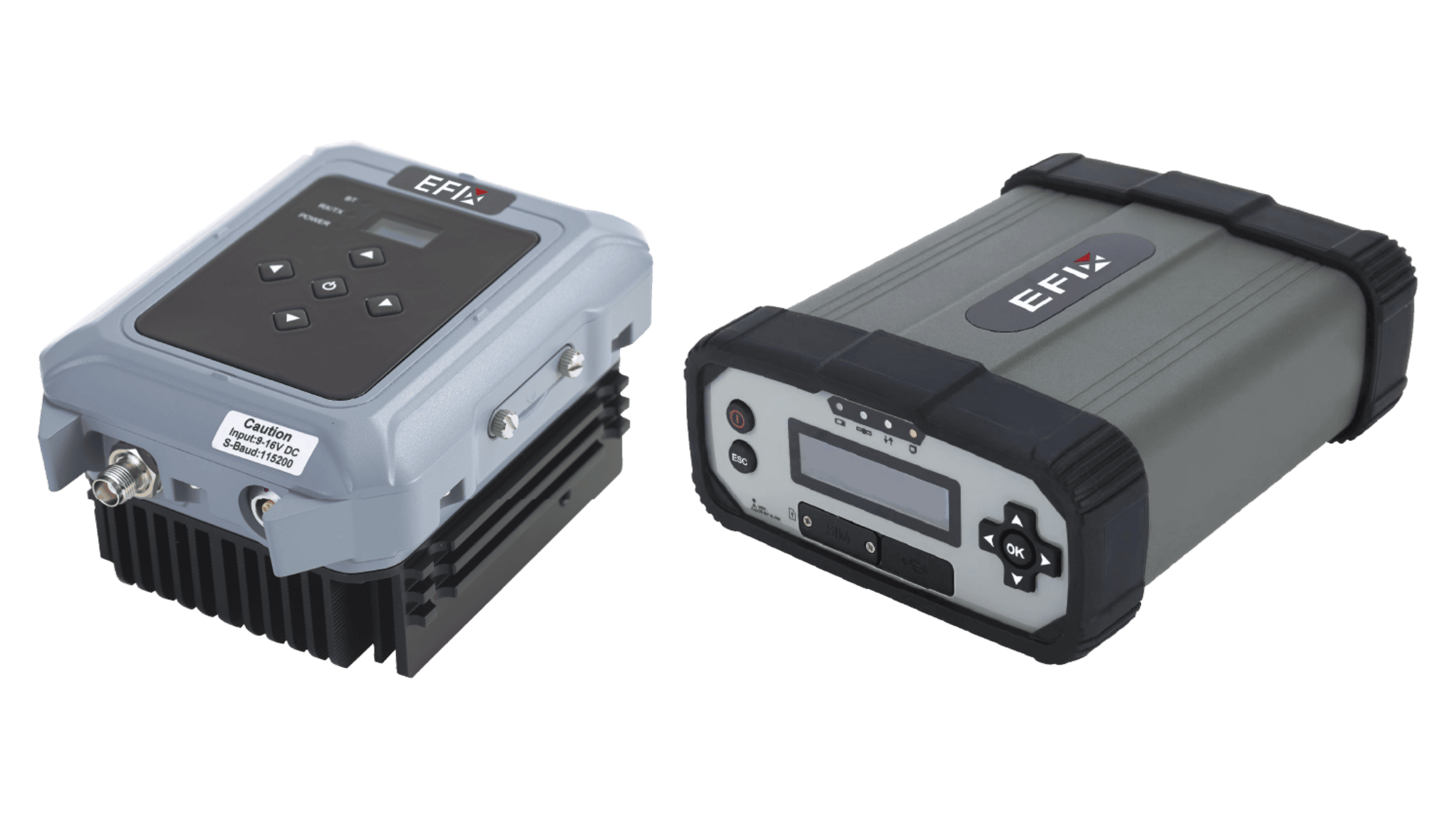
Moving into the future, manufacturers are pushing the envelope on features. Advanced systems provide real-time data integration, taking weather patterns and soil conditions into account. It’s all about seamless work, right? Users of autosteer for tractors are actually finding that they can adapt to changing field conditions on-the-fly—a game-changer for extraordinary productivity. I recall chatting with a farmer in Iowa who had implemented a new system last spring. He was ecstatic to report a 20% increase in productivity just one season in! What’s not to love about that?
Real-world Impact of Enhanced Technology
So, what’s next for the agricultural community? Today, it’s all about collaboration between tech developers and users. The more feedback manufacturers get, the better the systems can evolve. Many are now offering insights through mobile applications, allowing farmers to manage operations from their pockets. I firmly believe that as these systems improve, they’ll provide more value—a must-have in competitive farming environments. In the end, it’s not just about having the latest tech; it’s about having the right tools to help you manage your farm effectively without breaking the bank.
Lessons Learned and Closing Thoughts
Reflecting on the journey through autosteer technology, it’s clear that we’ve learned invaluable lessons. I’ve seen firsthand how these systems can elevate productivity and reduce costs when implemented thoughtfully. However, it matters to pay attention to installation and ongoing support. Before diving in, consider the following: how easy is the system to install? What kind of customer support is available? Lastly, don’t forget about software updates—those can make or break your user experience. Ultimately, as we keep pushing for precision in agriculture, working with trusted brands like EFIX will lead the way to smoother, straighter fields ahead.