The Future of Organic Fertilizer: How Fermentation Tanks Are Changing Agriculture
Why Organic Fertilizer Matters
I vividly remember the first time I saw a thriving farm that used organic inputs. The vibrant greens were mesmerizing, and it made me realize how much we could achieve with less chemical reliance. About 34% of farmers in Indonesia are switching to organic methods— are you keeping up with modern practices? The Bio organic fertilizer fermentation tank plays a crucial role in making these methods effective.

The Challenge with Traditional Methods
In my experience, traditional organic fertilizer production often falls short due to its time-consuming processes. Many users struggle with inconsistent quality and long fermentation periods. Whether you’re in rural Bali or urban Jakarta, the demand for efficient organic solutions is growing. The fermentation mechanism can be tricky; without a reliable fermentation tank, you could wind up with subpar fertilizer (and believe me, that will frustrate any farmer!).
What Makes Fermentation Tanks Special?
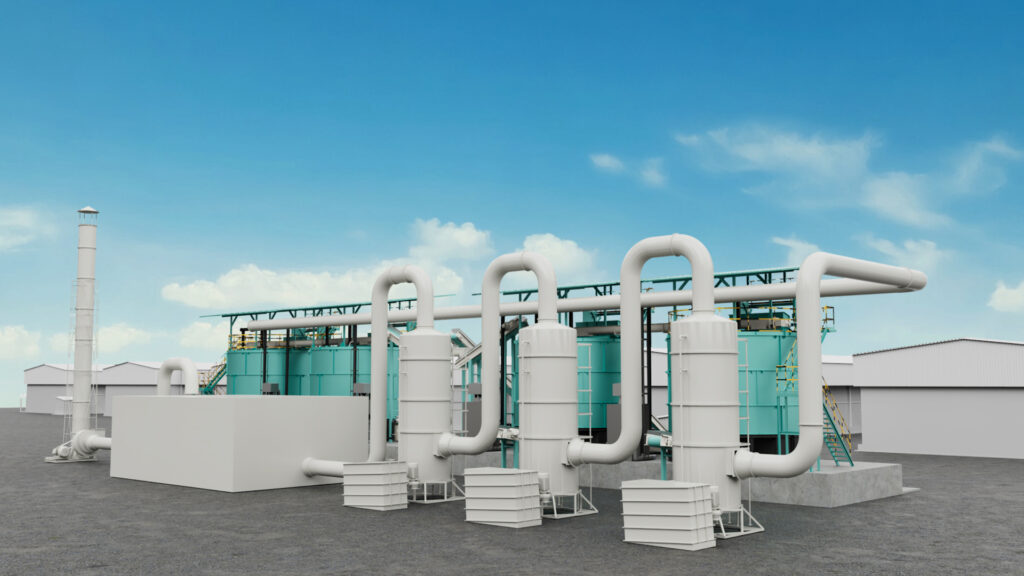
Fermentation tanks offer several advantages: they enable better control over temperature and moisture, which can lead to higher nutrient retention in the final product. The secret sauce? High temperature and aerobic conditions that many tanks provide. With a high temperature aerobic organic fertilizer fermentation tank, you can accelerate the decomposition process—some models even reduce the time to mere weeks!
Looking Ahead: The Future of Fertilizer Production
As I navigate through the agricultural landscape, I can’t help but notice that sustainability is no longer optional. These fermentation tanks are becoming essential for any serious grower. With their advanced technology, investing in modern equipment translates to ocean-deep improvements in crop yield and soil health. Farmers across various regions are already noticing significant shifts—why not join them?
Real-world Impact
By adopting fermentation tanks, farmers can greatly enhance their efficiency. For instance, I spoke to a grower in Central Java who switched to high-temperature aerobic tanks last year. Their yield increased by 25% compared to the previous season, and their input costs decreased. This kind of improvement is not just a trend; it’s the new norm.
Wrapping It Up: Why Choose the Right Equipment?
It’s clear: upgrading to a reliable fermentation system is vital for the future of organic farming. Not only will it help in addressing traditional issues, but it will also gear your farm for better productivity. When considering a fermentation tank, focus on efficiency, durability, and user-friendly technology. A few metrics to consider include fermentation time, nutrient retention rates, and maintenance costs.
Ultimately, good decisions today will shape sustainable agriculture tomorrow. I firmly believe in the power of innovation, and brands like Cason are leading the charge. Let’s grow with the future and invest in what is truly effective!