From Queue to Kilowatt: Setting the Scene
You roll into the mall after work, battery at 12%, and the clock ticking. The EV charger solution you trust says one bay is offline and another is “occupied” but idle. Eish, bru. The line creeps, and the app reloads. In many hubs, evening demand more than doubles, while uptime drops during software pushes and power dips. As EV numbers climb into the tens of millions worldwide this decade, the pressure hits fast—both on drivers and the grid. Can we keep queues short, protect transformers, and still charge at a fair price?
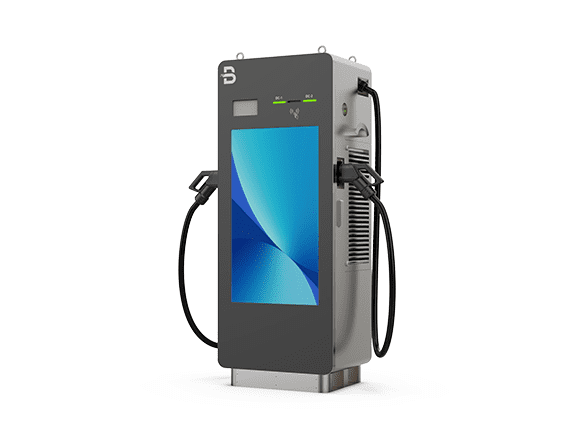
Here’s the thing: most sites weren’t built for sharp spikes. Load balancing is basic, not dynamic. Power converters run hot under clumsy scheduling. And if one controller hiccups, the whole lane slows down—funny how that works, right? We see the symptoms (queues, timeouts, tariff shock), but the causes sit deeper in how the system talks, learns, and fails over. Yebo, that’s the vibe: simple on the surface, complex underneath. So let’s move from the queues you felt to the logic that made them. Next up, we drill into the hidden frictions that keep good hardware from delivering great charging.

Hidden Frictions Users Feel (and Why They Persist)
What’s the real issue?
Technically speaking, the pain starts where the stack meets the street. Many networks run cloud-first, with long round trips for simple jobs. That adds delay to session starts, price checks, and access control. Even “smart” sites rarely push intelligence to edge computing nodes that sit on-site and react in milliseconds. Look, it’s simpler than you think: move fast decisions closer to the plugs, and you kill half the queue. That’s why EV smart charge solutions matter early in the design—not just as an add-on. Without edge logic, load curves stay blunt, demand response triggers late, and firmware schedules collide with rush hour.
The user-facing pain points are quiet but sharp. OCPP messages time out when backhaul is flaky. Roaming via OCPI breaks, so drivers juggle three apps. ISO 15118 promises plug-and-charge, but mixed firmware leaves it half-on, half-off. Prices swing by the hour, yet the UI shows totals only after the fact—eina. Meanwhile, operators see averages, not outliers, so hotspots stay hidden. The result: stranded sessions, ghost faults, and chargers marked “available” that fail at handshake. Add it up and you get slower turns, higher peak draw, and grumpy drivers. And yes, the grid feels it too—transformer loading spikes because the site can’t orchestrate power at the edge when it matters most.
Comparing the Road Ahead: New Principles for Smarter Networks
What’s Next
So, what actually changes the game? It’s a shift in control design. Centralized-only control favors simplicity but struggles with latency and local resilience. Edge-driven control embeds a small brain on-site—coordinating stalls, shaping ramps on power converters, and adapting pricing signals in near real time. Add a thin, reliable cloud for fleet policy and analytics, and you get a hybrid that scales. In practice, the winning setups follow a few principles: push fast loops to the edge, keep open standards clean (OCPP for control, OCPI for roaming), and tune algorithms to the site’s feeder limits. That’s where smart EV charging solutions can align policy with physics—less chatter, more charge.
Comparatively, cloud-only stacks look tidy on slides but stumble on the kerb during peak. Hybrid designs recover faster from faults, queue cars intelligently, and pre-warm chargers before the after-work rush. They also forecast feeder stress and throttle gracefully—no drama. This ties back to what we learned earlier: the queue wasn’t just bad luck; it was slow control and thin visibility. With edge-first orchestration, demand response becomes surgical, firmware updates avoid rush windows, and plug-and-charge actually works across vendors. Small shift, big effect—funny how that works, right? To choose well, keep it grounded and future-ready: open, local, and resilient.
Advisory close: use three clear metrics when picking your path. One, local decision latency under 100 ms during peak (edge loop speed). Two, verified uptime per site, not network-wide, above 98.5% with rolling 30-day windows. Three, cost-to-serve per kWh that includes backhaul, support, and energy—no hidden oops. Do that, and your drivers, your grid, and your books all breathe easier. For a deeper dive into architecture choices and open-standards practice, see EVB.