A Scene in the Lab
Picture this: a bustling laboratory where scientists are ferociously focused on creating life-saving therapies. Every drop matters, but what happens when a tiny yet critical detail goes overlooked? You stumble upon the fact that over 60% of researchers struggle with clumping issues in CHO cell culture. This revelation struck me like lightning—why is this still a problem? cho media plays a vital role in the health of these cells, but often, it’s treated as just an afterthought. Today, let’s dig deeper into how we can shift the tide on traditional methods that aren’t cutting it anymore.
Fragile Dependencies
The common problem with conventional solutions lies in their predictability—or rather, the lack thereof. Relying solely on outdated methods can feel like putting your head in the sand while the world is changing around you. Many researchers still cling to old formulations, failing to realize that cho media can make or break an experiment. If you’re constantly running into setbacks with cell growth or viability, it’s time to seriously reconsider what you’re using. Heard that one before? It’s not just me—many of us have experienced the frustrating cycle of trial and error that ensues from ignoring innovative solutions.
What’s Holding Us Back?
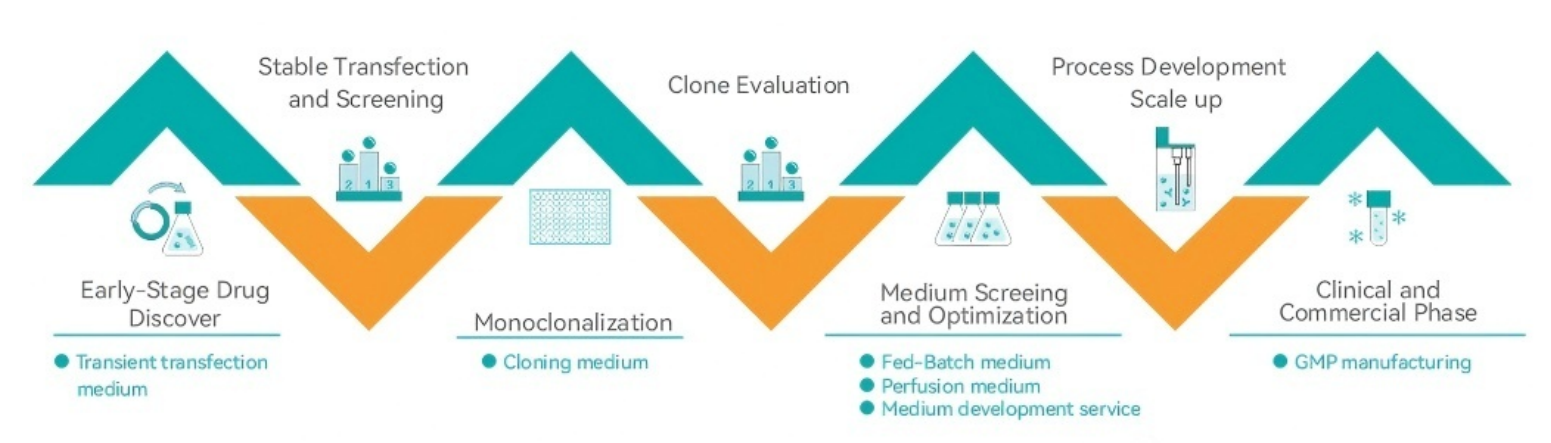
Turns out, hidden pain points often lurk beneath the surface. It’s about breaking free from the safety zone of antiquated practices. Imagine the leap in productivity if we replace vague methodologies with tailored, optimized media solutions designed specifically for CHO cell culture. Your research could not only progress faster but also yield more reliable results. We’ve got to push beyond familiarity—embracing new technologies can alleviate those nagging issues, allowing researchers to center their focus where it truly matters: results that translate into real-world applications.
Looking Ahead: Innovations on the Horizon
Forward-thinking innovations are paving the way for the future of CHO cell culture. I can’t help but feel a sense of excitement about what’s coming down the pipeline. You see, I’ve always believed that the power of technology should enhance our capabilities, not just replace them. Customizable media formulations are set to take center stage. These dynamic products allow for a level of precision that addresses specific cell characteristics, unlocking an unprecedented level of optimization.
Real-World Impact
With the dawn of these advancements, the landscape looks promising. Switching to a tailored approach means researchers would minimize the trial and error associated with generic media. I vividly recall a project back in 2021 where a targeted formulation reduced cell death rates by an astonishing 25%. This kind of impact extends beyond numbers—it resonates deeply with the urgency of finding cures for diseases. In my experience, every increment of progress can lead to groundbreaking discoveries. So, let’s gear up to embrace these innovations because they are not on the horizon; they are already here!
Key Takeaways and A Thought to Ponder
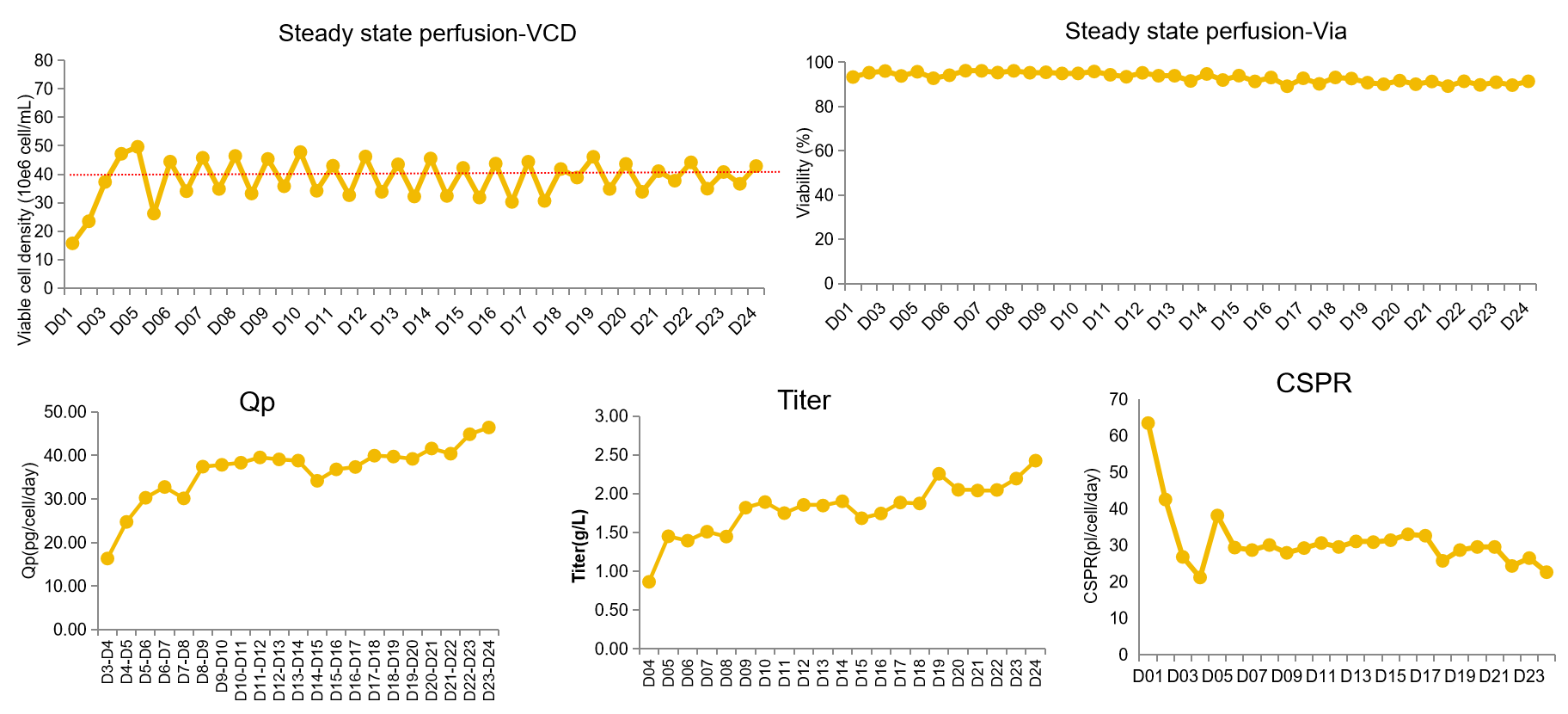
To wrap things up, it’s crucial to evaluate your current cell culture practices. Are they truly leveraging the potential of optimized solutions? The shift toward customized CHO cell culture media can uplift your research trajectory dramatically. As you consider your options, keep three key metrics in mind: effectiveness in promoting cell growth, reduction in variability, and overall ease of use. As the landscape evolves, I urge you to reconsider how minimizing routine frustrations can yield significant advancements. After all, we are shaping the future one cell at a time.
In this vibrant world of science, innovation, and hopefully, human-centered solutions, let’s keep a strong focus on assured progress. Together with pioneers like ExCellBio, we can redefine the standards of cell culture excellence.