Introduction: The Comparison That Saves Time and Budget
Here’s a simple truth: most fit-out projects run late because the wrong things get compared. In the rush to source, wardrobes supply often gets reduced to price-per-unit and a rough lead time. Picture a multi-site renovation with crews booked, rooms empty, and trucks idling; one missing shelf kit can stall a whole floor. In recent audits, buyers reported 12–20% lead-time variance and a 6–9% damage-on-arrival rate in flat-pack orders—small numbers that compound fast across dozens of drops. So, what should you really measure when you weigh one vendor against another, and how do you spot the gaps before they show up on site (or on your budget)? This is a comparative guide, not a sales pitch, and it looks at where risk hides: in packaging, in component tolerances, and in the last 50 meters to the room. We’ll break down the factors you can track, and why the cheapest quote often costs the most in rework and downtime—funny how that works, right? Let’s move from hunches to evidence, one step at a time, and set up a cleaner way to judge performance across suppliers.
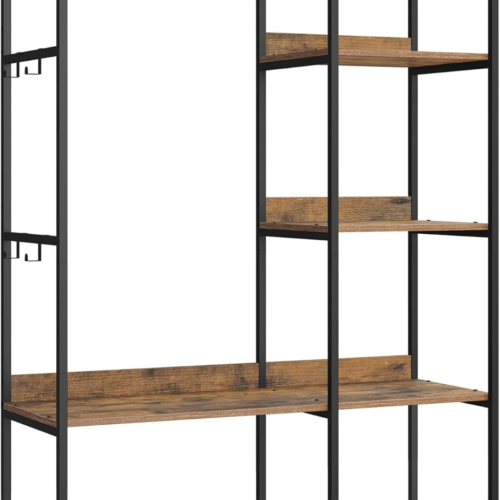
Hidden Pain Points Buyers Miss
Where do the cracks form?
A skilled wardrobe manufacturer knows the traps: parts tolerance drift, weak packaging, and unclear site kitting. Look, it’s simpler than you think. Most failures trace back to two roots—poor spec discipline and uneven process control. When panels are cut without tight CNC cutting parameters, cam locks won’t seat cleanly. If edge banding is inconsistent or soft, the carcass scuffs in transit. And if melamine-faced chipboard (MFC) arrives with mixed batches, color variation shows under daylight. These are not “nice-to-fix” issues; they drive returns, idle labor, and reordering cycles. MOQ rules can also obscure real cost when you need quick replenishment: if the minimum lot is high, your dead stock grows. A good spec calls out E1 formaldehyde rating, hinge cycle tests, and carton drop-test data—then enforces them through QC sampling at the factory, not at the job site.
Another blind spot: kitting logic. If rail brackets, fasteners, and shelf pins arrive in a mixed carton, installers burn time hunting. Separate, barcoded bags reduce picking errors and speed up assembly. Documentation matters too; a clear exploded diagram and consistent part codes cut install minutes per unit. This is where small design choices pay off, like dowel construction that pairs with cam locks for repeatable strength, or powder-coated steel frames that resist micro-scratches in tight corridors. Tie that to ERP-friendly labels and you cut receiving time. Build the system around the job, not the warehouse—and the returns drop.
What’s Next in Wardrobe Sourcing
Real-world Impact
Forward-looking programs compare how vendors build reliability into the process, not just the product. New technology principles make this visible. Zero-edge laser edging seals panels without glue lines, boosting moisture resistance and reducing chip-out during handling—cleaner edges, fewer returns. RFID or QR-coded parts sync with a WMS so your receiving team scans once, and reconciles cartons to rooms or bays. Some bedroom wardrobe manufacturers now run digital twins of assembly, pre-validating hole patterns and fastener counts against bill of materials before the first cut. That shrinks variance and raises first-pass yield. Even cartonization algorithms matter: better box design plus reinforced corners can cut damage-on-arrival by a third. Compare vendors on these mechanics, side by side—materials, data, and movement—not on brochure gloss.
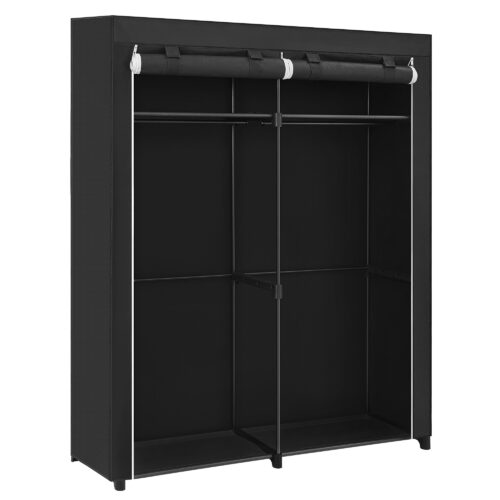
There’s a practical angle: predictive planning. Vendors integrating MRP with site schedules can model P95 lead-time, not just an average, so you plan to the slowest day and avoid idle crews—yes, that detail matters. Add pre-assembled submodules for high-variance steps (like sliding-door tracks), and keep the rest knock-down (KD) for transport efficiency. You also get better carbon math: cubic-meter density, route consolidation, and recyclable packaging reduce total landed emissions. The lesson so far: what you compare decides what you get. Reduce complexity at the edges, and the middle holds.
Advisory close: if you weigh options this quarter, use three metrics that travel well across quotes. One, lead-time variance at P95 (not the mean). Two, first-pass yield at incoming QC, by SKU family. Three, total landed cost per installed cubic meter, including damage, rework, and returns. Track these for one pilot site, then scale. When the numbers are visible, the right partner is easier to pick—and easier to keep honest. For independent benchmarking and a broader view of solutions in this space, see SONGMICS HOME B2B.